
|
Getting your Trinity Audio player ready...
|
The United States and Iran made significant progress in talks on Thursday aimed at resolving a longstanding nuclear dispute and averting new U.S. strikes, mediator Oman said, amid Washington’s large-scale military buildup in the Middle East.
The two sides plan to resume negotiations soon after consultations in their countries’ capitals, with technical-level discussions scheduled to take place next week in Vienna, Omani Foreign Minister Sayyid Badr Albusaidi said in a post on X after the day’s talks ended in Switzerland.
Any substantial move toward an elusive agreement between longtime foes Washington and Tehran could reduce the imminent prospects for U.S President Donald Trump to carry out a threatened attack on Iran that many fear could escalate into a wider war.

The Omani minister’s upbeat assessment followed indirect talks between Iranian Foreign Minister Abbas Araqchi and U.S. envoys Steve Witkoff and Jared Kushner in Geneva, with one session in the morning and the second in the afternoon.
“We have finished the day after significant progress in the negotiation between the United States and Iran,” Badr Albusaidi said.
Describing the talks as some of the most serious that Iran has had with the U.S., Araqchi told Iranian state television: “We reached agreement on some issues, and there are differences regarding some other issues.”
“It was decided that the next round of negotiations will take place soon, in less than a week,” he said, adding the Iranians had clearly expressed their demand for sanctions relief.
There was no immediate comment from U.S. negotiating team on the outcome of the talks.
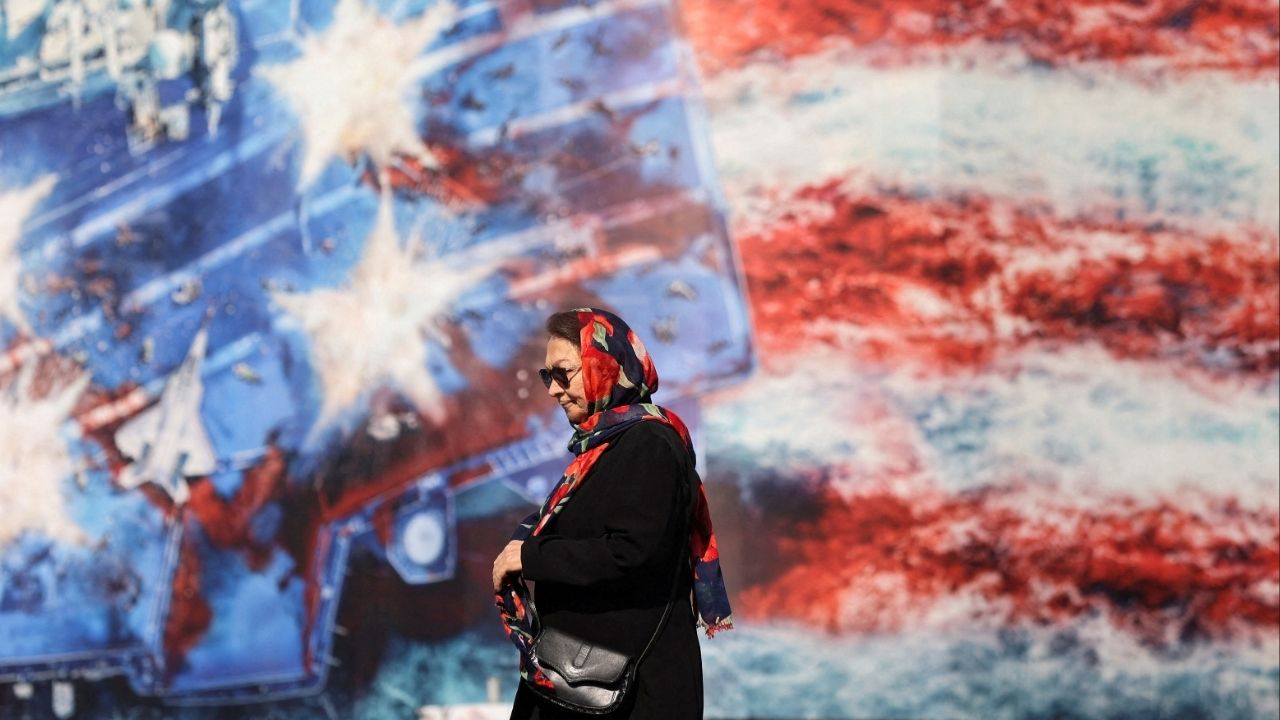
The discussions about the decades-long dispute over Iran’s nuclear work come as fears grow of a Middle East conflagration. Trump has repeatedly threatened action if there is no deal and the U.S. military has amassed its forces in waters near the Islamic Republic.
‘Intense and Serious’ Talks
A senior Iranian official told Reuters earlier on Thursday that the U.S. and Iran could reach a framework for a deal if Washington separated “nuclear and non-nuclear issues.”
The Trump administration has insisted that Iran’s missile program and other issues must be part of the negotiations.
After the morning session, Badr Albusaidi said the two sides had exchanged “creative and positive ideas”.
But a senior Iranian official said at the time that some gaps still had to be narrowed.
Washington, which believes Tehran seeks the ability to build a nuclear bomb, wants Iran to give up all uranium enrichment, a process that makes fuel for atomic power plants but that can also yield material for a warhead.
Iran has long denied wanting a bomb and said earlier on Thursday it would show flexibility at the talks. Reuters reported on Sunday that Tehran was offering undefined new concessions in return for removal of sanctions and recognition of its right to enrich uranium.
However, the United States also wants to expand talks to other issues including Iran’s arsenal of ballistic missiles and its support for armed groups in the region.
U.S. Secretary of State Marco Rubio said on Wednesday that Iran’s refusal to discuss its ballistic missile program was a “big problem” which would have to be addressed eventually. The missiles were “designed solely to strike America” and pose a threat to regional stability, he said.
Iranian foreign ministry spokesperson Esmaeil Baghaei told Press TV on Thursday that the negotiations would focus solely on nuclear topics and the lifting of sanctions, and said Tehran was going into them with “seriousness and flexibility”.
Ali Vaez, Iran project director at International Crisis Group, cautioned that if there was no breakthrough in the current round of talks, the risk of conflict could rise significantly in the coming days.
“This week they have been working on a text and the U.S. team is willing to return to the negotiating table to try to finalize an outline or a framework of an agreement. I think it is a positive thing,” he said.
—
(Reporting by Olivia Le Poidevin and Manuel Ausloos in Geneva; Parisa Hafezi in Dubai; Steve Holland, Patricia Zengerle, David Brunnstrom, Katharine Jackson and Joseph Ax in Washington; Francois Murphy in Vienna and Rami Ayyub in Jerusalem; Writing by Olivia Le Poidevin, Michael Georgy, Angus McDowall and Matt Spetalnick; Editing by Stephen Coates, Ros Russell, Timothy Heritage, Andrew Heavens and Cynthia Osterman)