
|
Getting your Trinity Audio player ready...
|
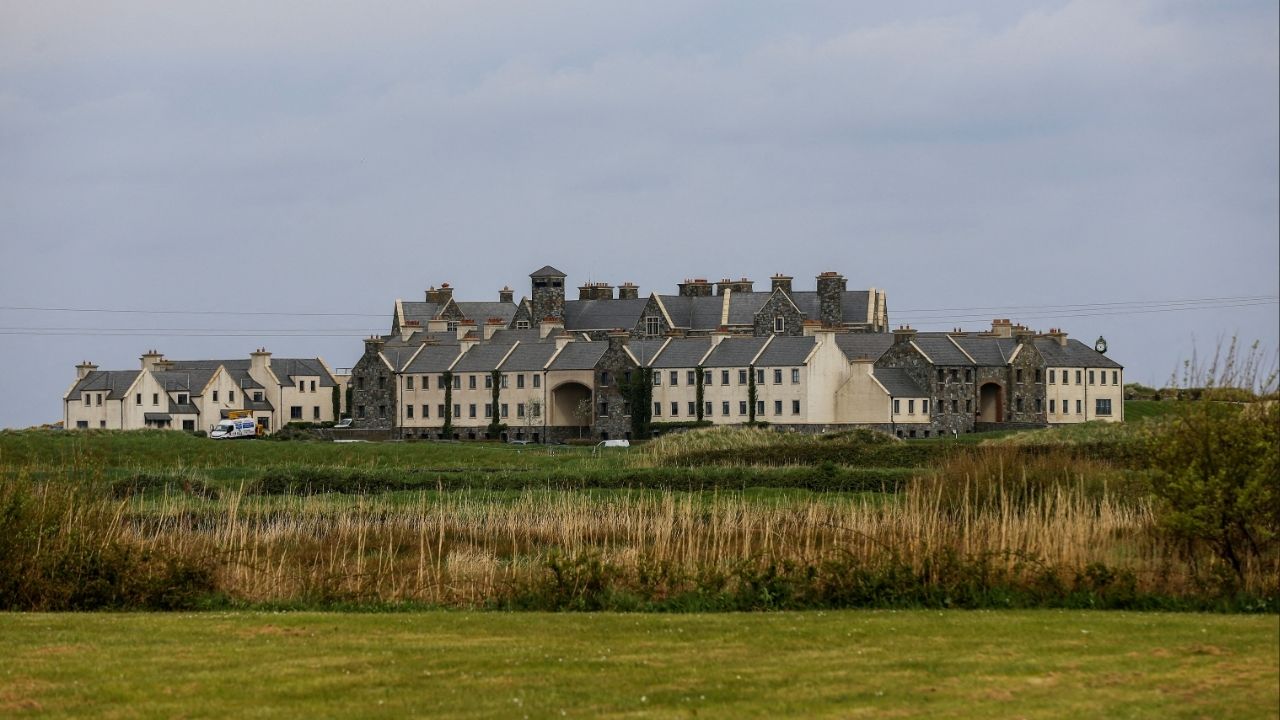
An Irish council on Tuesday approved a plan by the family of U.S. President Donald Trump to build a ballroom on their west of Ireland golf course, so long as they draw up a plan to help protect a tiny species of snails that live on the land.
Trump International Golf Club in Doonbeg on the west coast in December applied to build the ballroom for 320 guests, with Trump’s son Eric telling the Sunday Independent it would be “the nicest ballroom in the country”.
Environmentalists objected, however, saying more needed to be done to improve the status of the rare Vertigo angustior snail that is protected by a European Union directive on habitats that aims to maintain or restore rare species.

Clare County Council planners granted planning permission, subject to 14 conditions, including that the golf club submit a plan for helping to conserve and monitor the snails before commencing any work.
Friends of the Irish Environment had argued that no new permissions could be granted until a court order related to the original 1999 plans for the course requiring the “maintenance or improving” of the status of the rare snail is met.
Some other local groups wrote in support of the planned ballroom, citing potential job opportunities at the resort, which employs 300 people during the peak summer season. Many locals credit Trump with securing their livelihoods when he bought the course in 2014.
According to the plans, the new ballroom will be 1,240 square meters, a small fraction of the 8,360 square meters of the ballroom planned for the White House. Trump stayed at the hotel, 300 km (180 miles) from the capital Dublin, during an official visit to Ireland in 2019.
He placed the Trump Organization in a trust managed by his children on taking office, though he remains beneficiary.
In 2020, Trump was refused planning permission to build a sea wall to protect the course from coastal erosion as planners were not satisfied that the proposed development would not adversely affect the sand dune habitat at the site.
—
(Reporting by Conor Humphries and Padraic Halpin; editing by Sarah Young and Lincoln Feast.)