
|
Getting your Trinity Audio player ready...
|
A stuffed capybara. A bouquet of flowers. Olympic mascots. Moments after figure skaters finish their programs, plush toys and gifts rain down from the audience as tokens of appreciation.
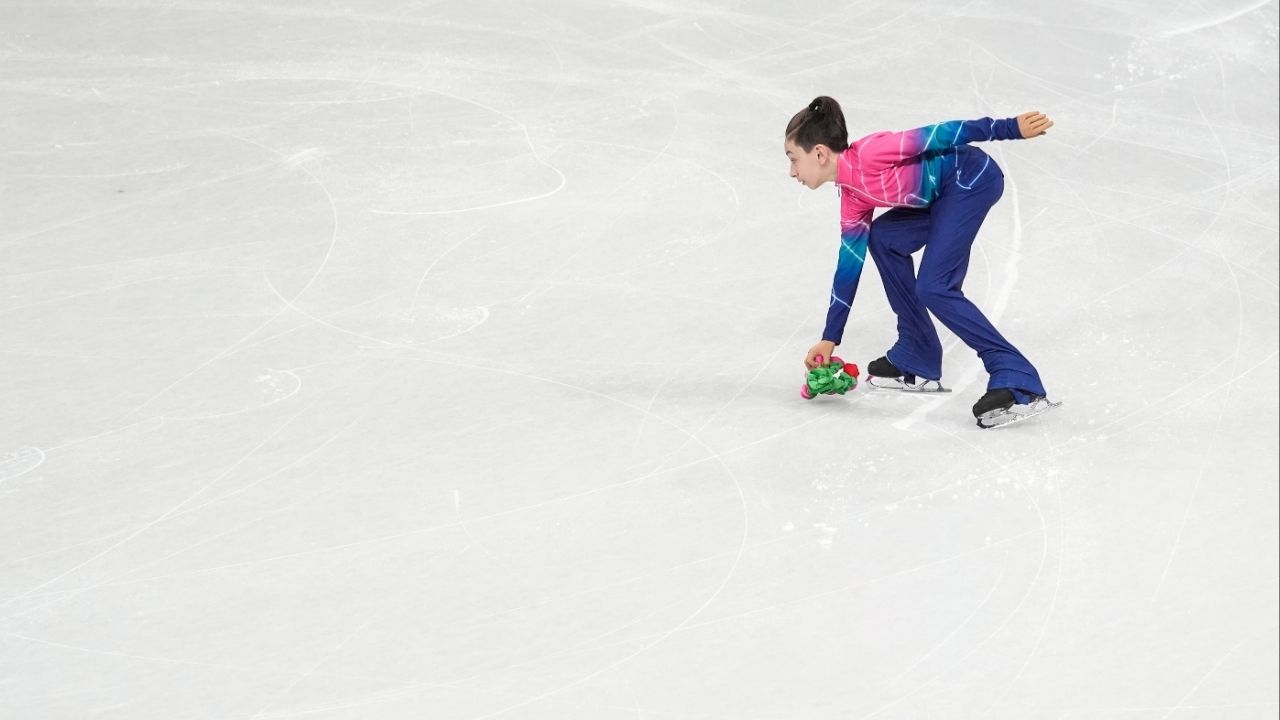
Then it’s go time for the young skaters sitting by the rink. Their job: sweep up the toys as fast as possible. Their reward: share the Olympic ice, if only briefly, with the best athletes in the world.
“I get nervous because I know that before I go on, there was an athlete on the ice who knows how to do really beautiful things,” said 12-year-old Edoardo from Asiago in northern Italy.

His favorite athlete? Ilia Malinin. His most cherished Olympic memory? Picking up a big Toothless plush after Malinin’s short program.
Edoardo is one of 30 children selected from across Italy to assist with the Olympic figure skating competitions. Known as flower kids, the role gives them a rare opportunity to watch the world’s top skaters up close. And a rare stage for the world to watch them, too. Organizers hope such proximity to the Milan Cortina Games might flower ambitions to become future Olympians for real.
Dressed in pink and blue outfits, the young cohort cheer for every landed jump — gasping in awe at any quadruple jump — and they clutch hands as they gaze admiringly on from the sidelines. It is a job, but one they clearly relish.
Nine-year-old Giulia loves everything about skating, but nothing beats the feeling when home favorite Matteo Rizzo hits the ice and launches into one of his famed jumps, moves that one day she hopes to emulate. “When I watch them, it’s like I’m learning,” she said.
“Just by watching, you can gain so much from this experience that we are so fortunate to be part of,” said Martina, one of the oldest girls in the group.
It’s not only the jumps and spins she studies, but the way the athletes carry themselves under the most extreme pressure.
Even when Malinin made mistakes, she said, she admired the way he stuck with his routine. Later that night, she went home and read his interviews. One line stuck with her: If you do something, you should give 100%.
The children give their all night after night. They sit through hours of competition, waiting by the boards. Like other young kids, they fidget, whisper and occasionally lose focus until toys pelt the ice, sending them scrambling into action. The coaches overseeing them say they are remarkably disciplined.
They respect the rotation system, even though everyone is eager for their turn. As the competition goes on, the children move through the seats in order. Those in the front row step onto the ice first. When they return, they take a place at the end of the line. The system ensures that each child gets an Olympic moment.
The kids glide around the ice, gathering plushies and bouquets in their hands. The gifts the children collect are placed into large bags then labeled with each skater’s name. Athletes have a few days to claim them. Those left behind are donated to local charities, including children’s hospitals.
Do the coaches spot any future Olympians?
“It’s too early to say Olympian,” said Monica Domenicali, one of the coaches working with the children. “But someone with great passion? Yes.”
Around her, the children prepare for the day’s competition. They braid each other’s hair, adjust makeup and, with whatever space they can find, practice small jumps on the floor.
To the children, at this moment, there’s no question they want to keep skating and become an Olympian. “Just like Malinin,” Edoardo said.
—
This article originally appeared in The New York Times.
By Weiyi Cai
c. 2026 The New York Times Company