
|
Getting your Trinity Audio player ready...
|
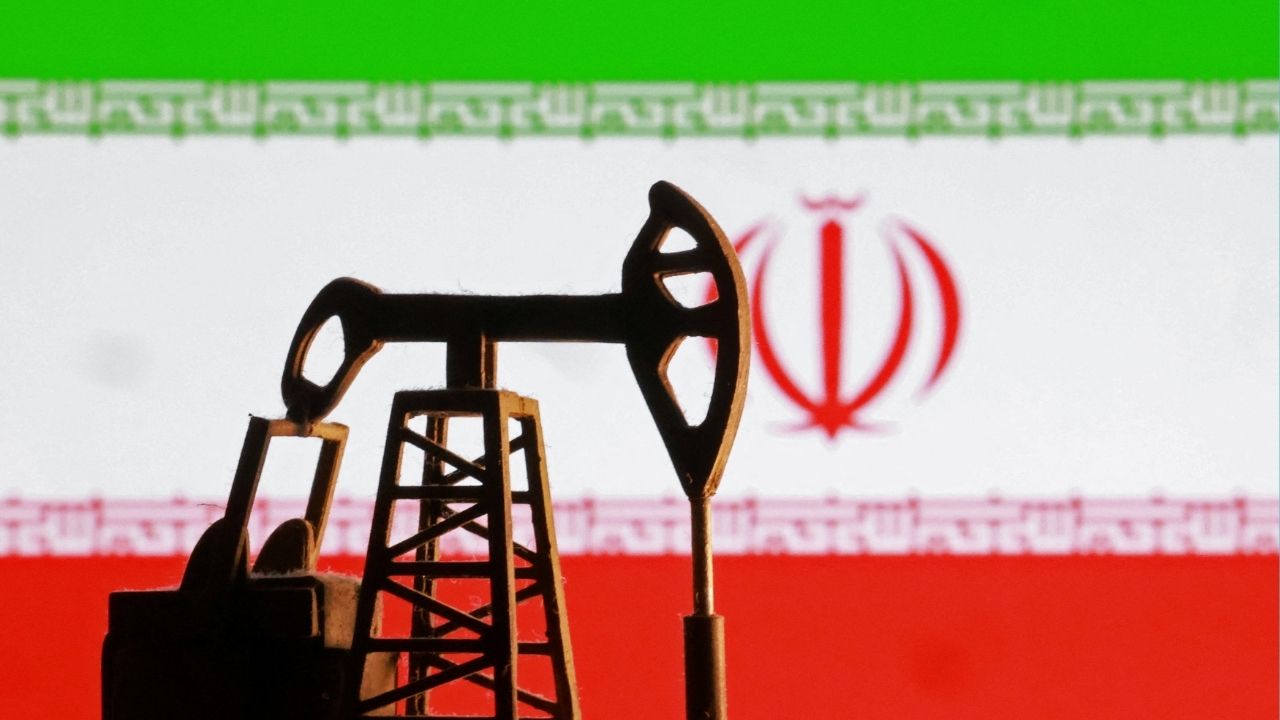
Oil prices rose about 2% on Thursday to their highest in six months, as traders worried about tensions between the U.S. and Iran, which stepped up military activity in the oil-producing Middle East.
Brent futures were up $1.23, or 1.8%, to $71.58 a barrel at 1551 GMT. U.S. West Texas Intermediate (WTI) crude was up $1.34, or 2.1%, at $66.53.
After advancing more than 4% on Wednesday, Brent is on track to close at its highest since July 31, while WTI is on track for its highest close since August 1.

Oil prices got a boost from “geopolitical tensions and the worry that the U.S. is going to strike (Iran) in the near future,” said Andrew Lipow, president of Lipow Oil Associates. “The market will continue to rally in anticipation of something happening.”
Iran planned a joint naval exercise with Russia on Thursday, Iran’s semi-official Fars news agency reported, days after the country shut down the Strait of Hormuz for a few hours for military drills. The Strait is a vital link for trade, with about 20% of global oil supply passing through it.
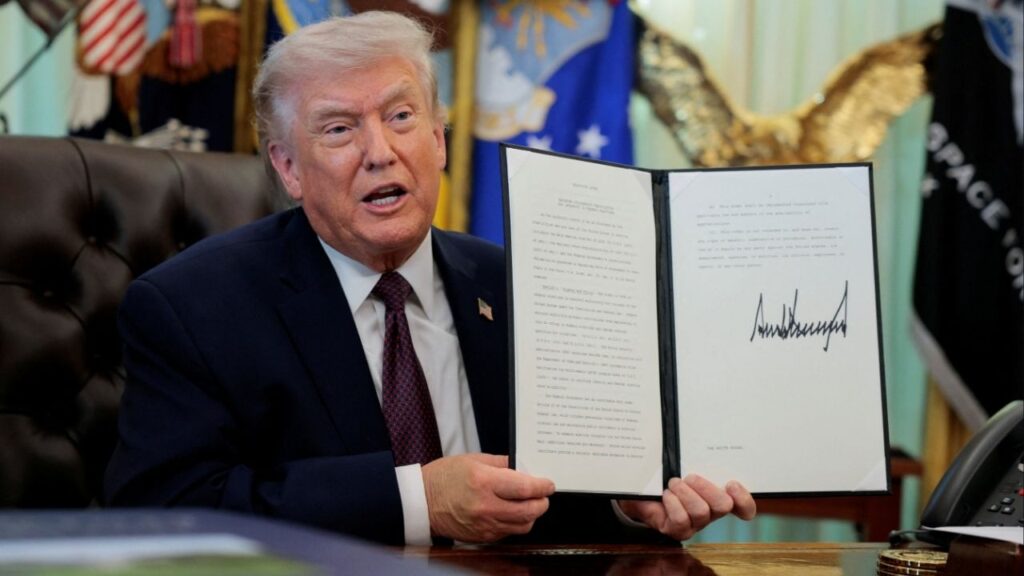
President Donald Trump said the U.S. had to make a meaningful deal with Iran.
“Good talks are being had. It’s proven to be, over the years, not easy to make a meaningful deal with Iran. We have to make a meaningful deal, otherwise bad things happen,” Trump told the first meeting of his Board of Peace in Washington.
The U.S. has deployed warships near Iran, with U.S. Vice President JD Vance saying Washington was considering whether it should continue diplomatic engagement with Tehran or pursue another option.
Iran issued a notice to airmen that it planned rocket launches in areas across the south of the country on Thursday, according to the U.S. Federal Aviation Administration website.
Some countries have asked their residents to leave Iran.
Saudi Arabia and Ukraine
Separately, crude oil exports from Saudi Arabia, the world’s largest oil exporter, fell to 6.988 million barrels per day, its lowest since September, data from the Joint Organizations Data Initiative showed on Thursday. Earlier this month, Reuters reported that OPEC+ was leaning toward a resumption in oil output increases from April.
OPEC+ includes the Organization of the Petroleum Exporting Countries and other producers like Russia.
Two days of peace talks in Geneva between Ukraine and Russia ended on Wednesday without a breakthrough, with Ukrainian President Volodymyr Zelenskiy accusing Moscow of stalling U.S.-mediated efforts to end the four-year-old war.
U.S. crude and gasoline and distillate inventories fell last week, market sources said, citing American Petroleum Institute figures on Wednesday. That was contrary to expectations in a Reuters poll that crude stocks would rise by 2.1 million barrels in the week to February 13. Oil prices were up despite the Director of the International Energy Agency saying that oil demand growth is less than one million barrels per day and that a substantial surplus was expected.
Official U.S. oil inventory reports from the Energy Information Administration are due at noon. [EIA/S]
—
(Reporting by Siddharth Cavale in New York, Enes Tunagur in London. Additional reporting by Yuka Obayashi and Emily Chow. Editing by David Goodman, Mark Potter and David Gregorio)