

|
Getting your Trinity Audio player ready...
|
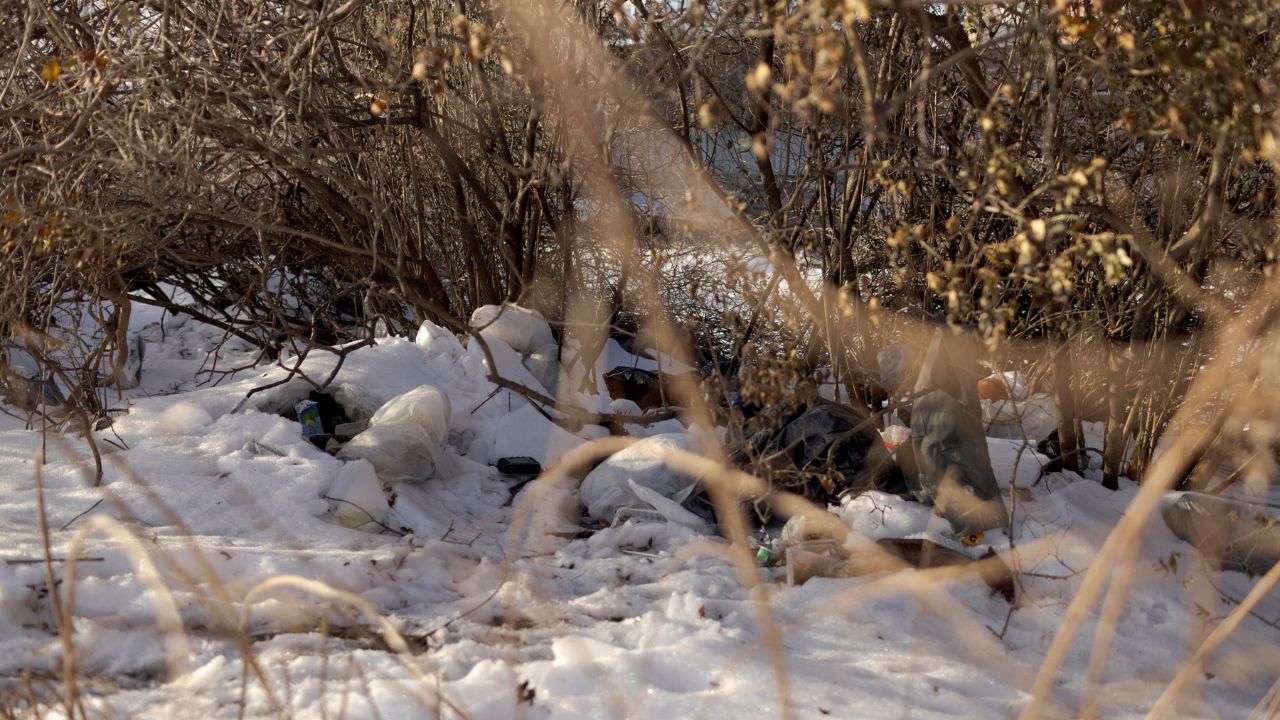
NEW YORK — Mayor Zohran Mamdani was to announce Wednesday that he has directed New York City agencies to restart the process of sweeping homeless encampments, reversing a campaign vow and ending a pause that he instituted on Day 5 of his tenure.
Mamdani’s handling of homelessness has come under scrutiny during a brutal cold snap in New York City that has led to at least 20 deaths. The administration has said it does not believe that any of the deceased were in touch with outreach workers immediately before they died.
Cold Weather and Rising Pressure
The encampment sweeps will be an interagency effort led by the Department of Homeless Services; under Mamdani’s predecessor, Eric Adams, the sweeps were led by the Police Department.

“When Mayor Mamdani took office, he paused the failed encampment sweep policies of the past,” said Matthew Rauschenbach, a spokesperson for the mayor. “Beginning today, outreach workers will be the first touch and will notice encampments and proceed to conducting seven consecutive days of intensive engagement before any clearance takes place.”
He added that by the time the Sanitation Department clears an encampment on Day 7, “meaningful progress has already been made.”
Advocates Push Back
The mayor paused the encampment sweeps Jan. 5 to reevaluate the way the city conducts the inspections and removals, but has now finished its reassessment of the process, according to two city officials familiar with the talks.
After posting a notice that an encampment will be cleared, the Department of Homeless Services will send outreach workers to the site daily for a week, with the goal of getting people into shelter and longer-term housing. The mayor’s budget plan added funds to hire an additional nearly 60 outreach workers.
Still, the move, which was first reported by The New York Post, was criticized by many social service groups that work with the city’s homeless population, as well as homeless advocacy groups.
Joshua Goldfein, a staff attorney at Legal Aid, said that the legal services provider has been told that the city wanted to have social services-oriented workers make the on-the-ground decisions rather than law enforcement.
Goldfein said Legal Aid would see that as an improvement from the Adams administration’s approach, but one that still seemed less than what Mamdani had promised in his campaign. He also criticized city officials for not being more forthright about their plans, noting that they had yet to issue a revised written policy on the sweeps.
“What we’re seeing right now is a retreat from campaign promises and a lack of meaningful communication,” Goldfein said. “It’s hard to know if what we are seeing is a full retreat or something more measured because we haven’t gotten any information as to what they are thinking.”
Christine C. Quinn, president and chief executive of WIN, a nonprofit that runs shelters and supportive housing, said she was disappointed that Mamdani’s administration now appeared to be backtracking on two important policies that directly affect homeless New Yorkers, citing the administration’s decision to not expand a program that provides rental assistance to keep people in their homes.
She said the city seemed to be rushing to respond to the recent deaths in the cold, and suggested that a better approach would be to create an entirely new policy around homeless sweeps.
“This is clearly reacting to tragedy,” Quinn said. “But this is not an on-point solution to what went wrong.”
Before taking office, Mamdani was a staunch critic of dismantling homeless encampments. “If you are not connecting homeless New Yorkers to the housing that they so desperately need then you cannot deem anything you’re doing to be a success,” he said.
That marked a departure from Adams, who was more heavy-handed in his approach to bringing people off the streets. “It’s inhumane to walk by someone that clearly can’t take care of their basic needs,” Adams said.
The Mamdani administration’s approach came under attack last week at a City Council hearing, where members pressed the administration on its work during the recent cold snap emergency.
Across the country, many cities have been grappling with how to approach homeless encampments, with a wave of cities and states banning homeless camping in recent years, and some even introducing criminal penalties for camping. In 2024, the Supreme Court upheld an Oregon city’s ban on homeless people sleeping outdoors, saying it didn’t violate the Constitution’s ban on cruel and unusual punishment. The decision has reverberated to cities across the country.
“Homeless encampment sweeps are ineffective, they are costly and they don’t actually solve the problem of homeless,” said Jeremy Saunders, an executive director of VOCAL-NY, a group that organizes low-income New Yorkers. “What’s disappointing for us right now is really that Mamdani campaigned on addressing the affordability crisis and homelessness in New York.”
—
This article originally appeared in The New York Times.
By Emma Goldberg and Jeffery C. Mays/ Anna Watts
c.2026 The New York Times Company