
|
Getting your Trinity Audio player ready...
|
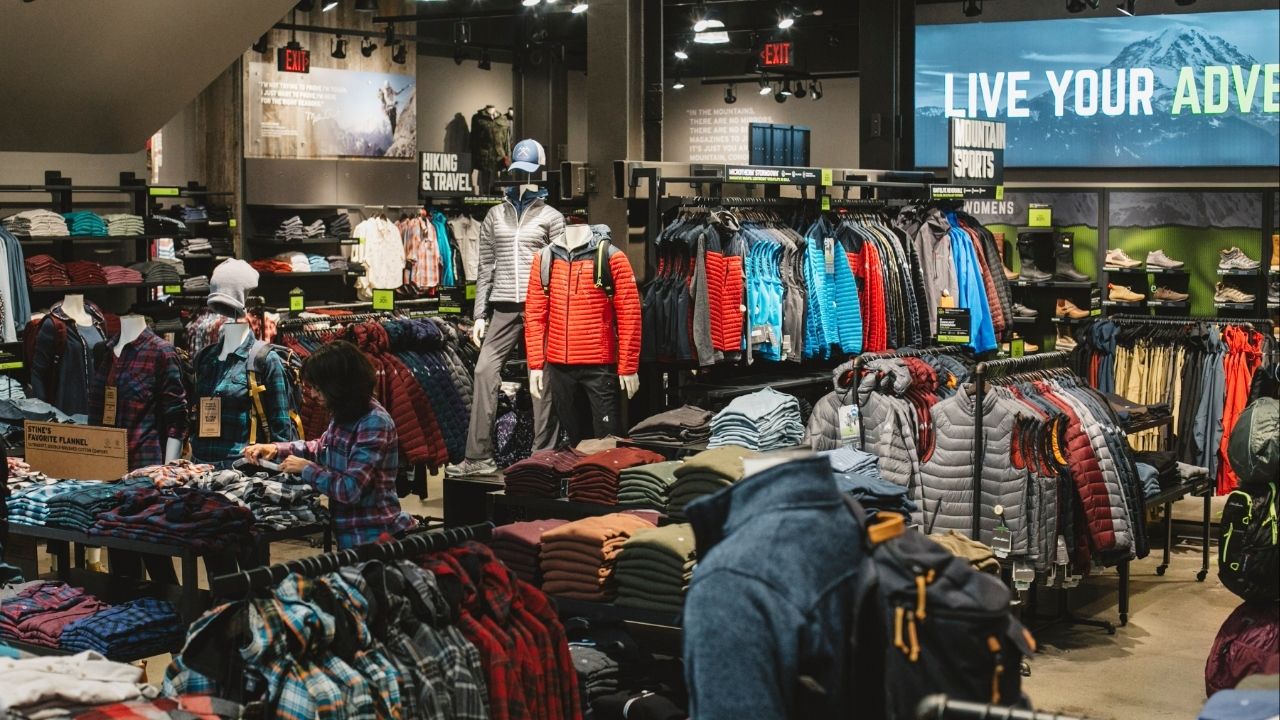
The operator of Eddie Bauer’s stores in the United States and Canada filed for bankruptcy protection Monday, citing declining sales and supply chain issues.
The operator filed for Chapter 11 bankruptcy protection in the District of New Jersey. It said in court filings that it was looking to sell some or all of its approximately 220 Eddie Bauer stores in the United States and Canada.
Eddie Bauer LLC, based in Washington state, said it experienced a spike in sales after the COVID-19 pandemic as people wanted to spend more time outdoors.

But a shift in consumer preferences, rising inflation, the closure of a loophole on cheap imports and higher tariffs eroded margins and hurt earnings, the company said.
Eddie Bauer, a sportswear brand known for goose-down coats and other outdoor apparel, was founded by an entrepreneur of that name who began making down jackets for himself and a few friends after contracting hypothermia on a winter fishing trip in Washington state in 1923. He patented the design, and the company grew from a single store to a mail-order business with a national profile.
When James W. Whittaker became the first American to climb Mount Everest in 1963, he wore an Eddie Bauer parka. Its garments and sleeping bags were standard equipment for the U.S. Army Air Corps in World War II.
By 2002, the company had about 500 clothing stores in the United States, Germany and Japan. It also collaborated with other fashion labels, including Buck Mason and Homme Femme, to blend outdoor style with casual streetwear.
The bankruptcy filing comes during a volatile period for some American retailers. Some have scaled down their operations to focus on the successful parts of their businesses as they grapple with global uncertainty and disrupted supply chains.
Earlier this year, Amazon said it would close physical stores and focus on expanding its food delivery and grocery chain, Whole Foods Market.
Saks Global, the largest luxury department store group in America and the parent company of Saks Fifth Avenue, Neiman Marcus and Bergdorf Goodman, filed for bankruptcy protection in January.
—
This article originally appeared in The New York Times.
By Laura Chung/Andrew Spear
c. 2026 The New York Times Company