
|
Getting your Trinity Audio player ready...
|
Prices climbed over $1 a barrel for Brent and West Texas Intermediate crude on Friday as investors grew worried talks between Iran and U.S. representatives were not making enough progress to prevent military action.
Brent crude futures climbed $1.21 a barrel, or 1.79%, to $68.76 at 11:30 a.m. CST (1730 GMT), while U.S. West Texas Intermediate crude was up $1.01, or 1.6%, at $64.30 a barrel.
Iran and the United States held negotiations via Omani mediation on Friday to try to overcome sharp differences over Tehran’s nuclear programme.

“Going into next week, you don’t know if there is going to be an attack or not,” said Phil Flynn, senior analyst with Price Futures Group.
Iranian state TV reported in late afternoon that the talks had ended. Iran’s foreign minister said negotiators will return to their capitals for consultations, and the talks will continue.
Ahead of the talks, a lack of consensus on the agenda for the meeting kept investors anxious about geopolitical risk, as Iran wanted to stick to nuclear issues, while the U.S. wanted to discuss Iran’s ballistic missiles and support for armed groups in the region.
Tensions Disrupt Oil Flows
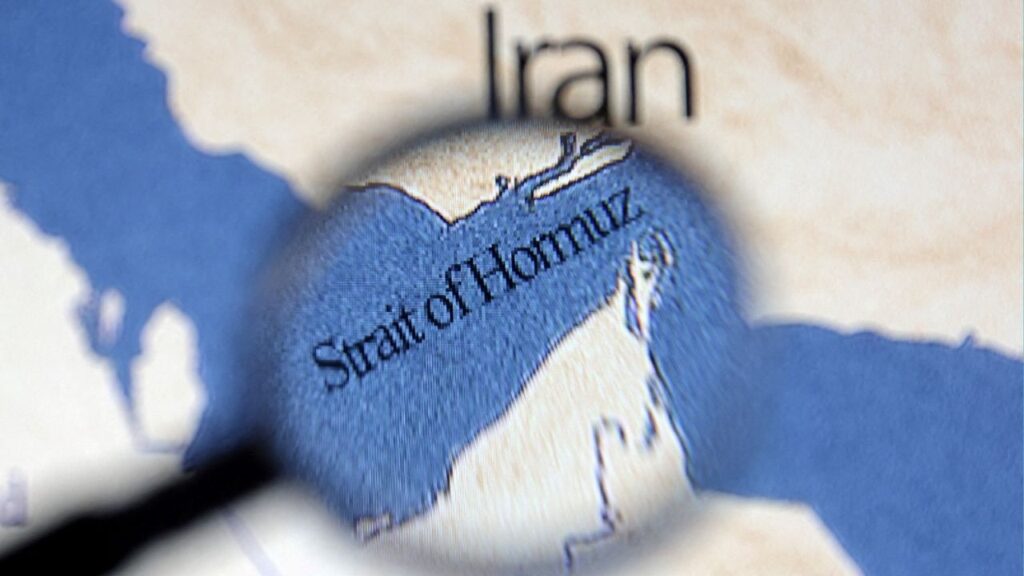
Any escalation of tension between the two nations could disrupt oil flows, since about a fifth of the world’s total consumption passes through the Strait of Hormuz between Oman and Iran.
Saudi Arabia, the United Arab Emirates, Kuwait and Iraq export most of their crude via the strait, as does fellow OPEC member Iran.
If the prospect of conflict in the region eases, oil prices could decline further.
Kazakhstan’s planned oil exports could fall by as much as 35% this month via its main route through Russia, four trading sources have told Reuters, as the giant Tengiz oilfield slowly recovers from fires at power facilities in January.
On a weekly basis, prices were weighed down by a broader selloff in markets and by persistent expectations of an oversupply of oil, analysts said.
Saudi Arabia cut the official selling price of its Arab Light crude to Asia for March to around a five-year low on Thursday, marking the fourth straight month of price cuts.
—
(Reporting by Erwin Seba in Houston, Anna Hirtenstein and Stephanie Kelly in London and Florence Tan and Sudarshan Varadhan in Singapore; Editing by Sonali Paul, Clarence Fernandez and Joe Bavier)