
|
Getting your Trinity Audio player ready...
|
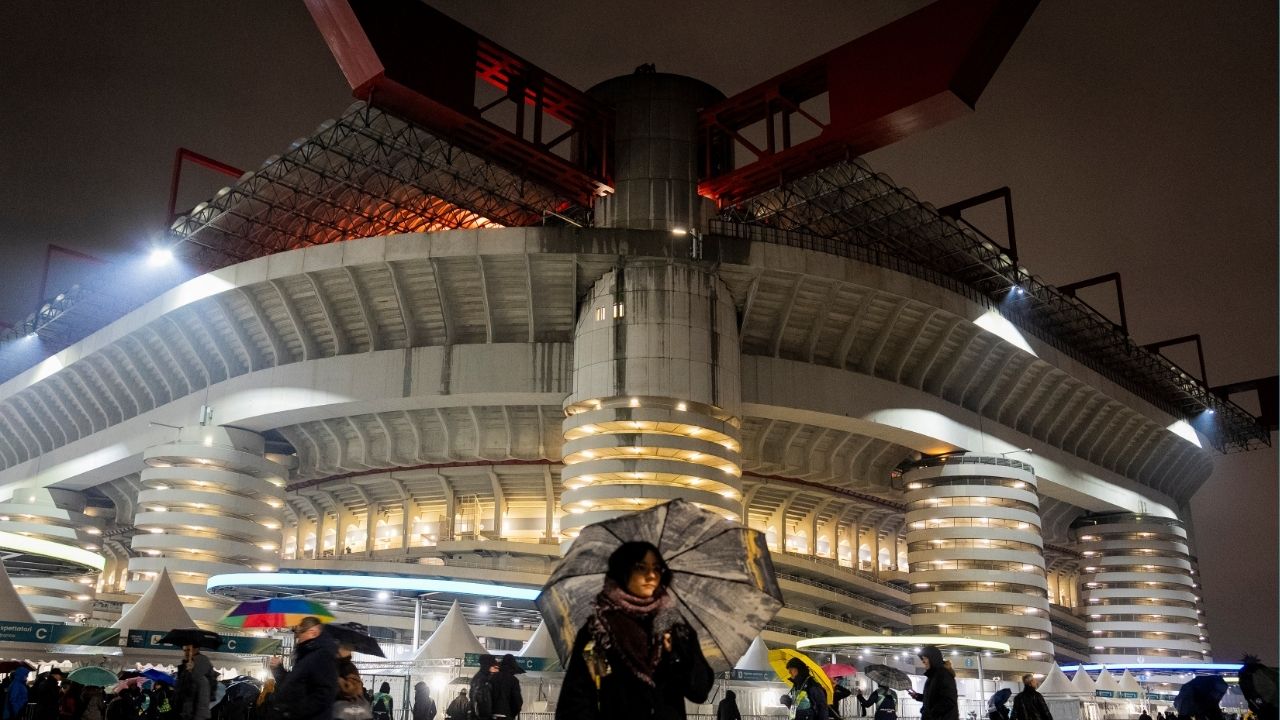
ROME — The Italian government Thursday issued a decree that tightened restrictions on protests, the day before crowds were expected to demonstrate outside the opening ceremonies for the Winter Olympics in northern Italy.
The decree allows the police to detain people for up to 12 hours when there are reasonable grounds to believe that they may jeopardize the peaceful conduct of a protest, the interior minister, Matteo Piantedosi, said at a press briefing Thursday evening.
Piantedosi said the decree would take effect within days, meaning that it could affect demonstrators who plan to gather Friday and Saturday in northern Italy to protest the disruption caused by the Olympics and the deployment of U.S. Immigration and Customs Enforcement agents to Italy as part of the security team protecting the United States delegation.

Government officials said the decree, which included 32 other measures including tighter restrictions on knives, was intended to protect ordinary people and police officers from street violence, and should not be seen as a restriction on freedom. Prime Minister Giorgia Meloni said in a statement on social media that the measure would “defend citizens and enable law enforcement agencies to work better and with greater protection.”
Critics Decree Infringement of Civil Liberties
Critics called the decree an infringement of civil liberties, with Giuseppe Conte, an opposition leader, saying that its purpose was “to suffocate dissent.” Conte said on social media that the move fell short of ensuring “safety on the streets” and did nothing to increase the number of police officers.
The decree came days after clashes between the police and protesters in Turin, northern Italy, stirred anger among the right-wing government’s supporters, adding to pressure on the government to tighten rules on demonstrations.
Thousands of people had gathered in Turin on Saturday to protest the recent eviction of a left-wing group from a center it had occupied for decades. The largely peaceful demonstration turned violent when a group of masked protesters threw firecrackers, and the police fired tear gas and charged the protesters. The video of a police officer being attacked by some demonstrators created widespread public outcry.
Piantedosi said Thursday that the government had been planning to tighten existing security measures even before the clashes in Turin.
The decree takes effect as soon as it is published in the government’s official gazette, but it loses legal effect if it fails to attract the support of most lawmakers within 60 days.
Meloni’s conservative government has focused on law and order since taking office in October 2022. A security decree passed in June 2025 created more than a dozen new crimes, including protest activity in prisons and migrant centers, and made some kinds of demonstrations punishable with up to two years in prison.
—
This article originally appeared in The New York Times.
By Elisabetta Povoledo/Vincent Alban
c. 2026 The New York Times Company