
|
Getting your Trinity Audio player ready...
|
ISTANBUL — Senior U.S. and Iranian officials are expected to meet in Istanbul on Friday for talks aimed at de-escalating the crisis between their countries, according to two current regional officials and a former one who were familiar with the planning.
The talks, they said, aim to bring together Steve Witkoff, President Donald Trump’s Middle East envoy; Jared Kushner, Trump’s son-in-law; and Abbas Araghchi, the Iranian foreign minister, the officials said. Also expected to attend are senior officials from Turkey, Qatar and Egypt.
The officials spoke on condition of anonymity because they were not authorized to speak to journalists. They included a regional official, a senior Iranian official and a former Iranian diplomat.

White House officials did not immediately respond to a request for comment.
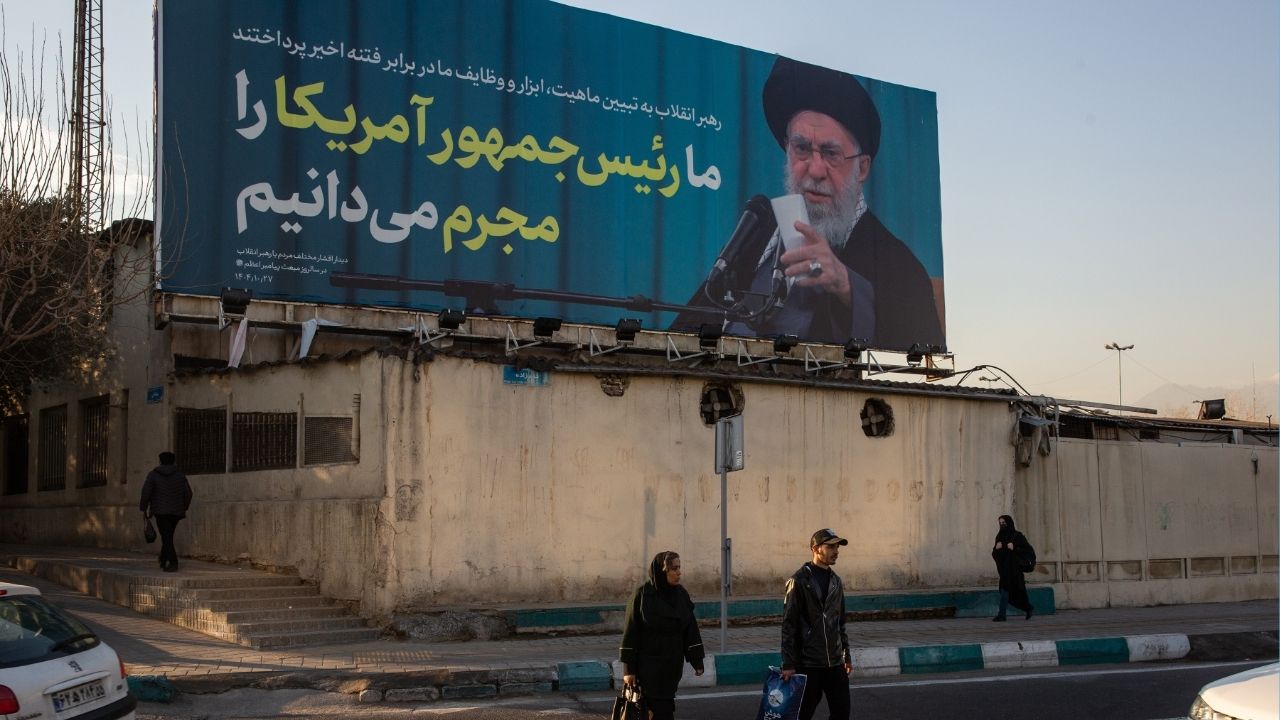
If the talks happen, they will mark a rare face-to-face encounter between U.S. and Iranian officials at a time when military threats by Trump, and the refusal of Iran’s leaders to accept his demands, have brought the two countries to the precipice of war, spreading fear across the region.
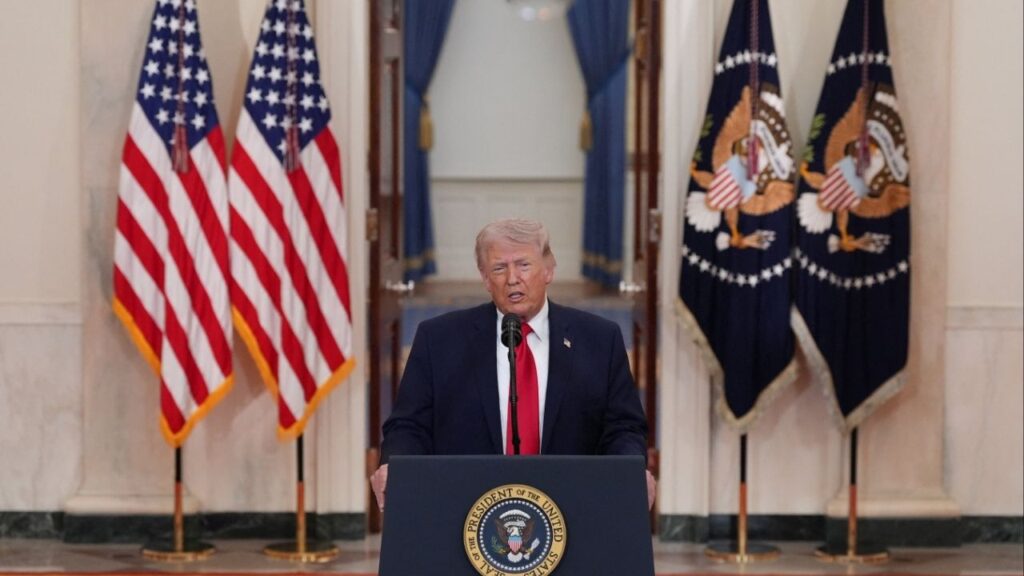
In recent weeks, Trump has threatened to bomb Iran if its embattled leaders, who last month crushed mass protests with lethal force, did not yield to his demands. Those include Iran’s ending its nuclear program, accepting limits on its ballistic missiles and halting its support for proxy militias around the Arab world.
So far, Iran’s leaders have said they would not negotiate while under threat, while vowing a harsh response to any U.S. attack.
—
This article originally appeared in The New York Times.
By Ben Hubbard and Farnaz Fassihi/Arash Khamooshi
c. 2026 The New York Times Company