
|
Getting your Trinity Audio player ready...
|
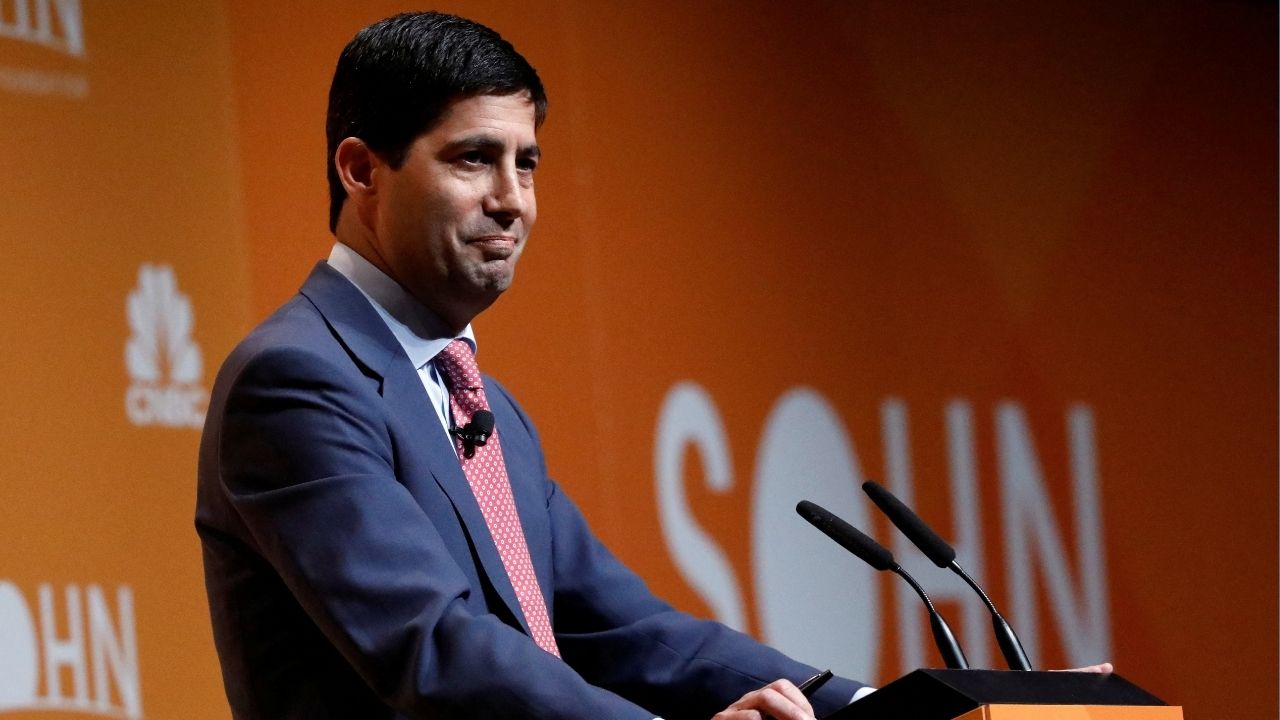
Kevin Warsh, U.S. President Donald Trump’s pick to chair the Federal Reserve, will likely boost the central bank’s effort to ease Wall Street bank rules, and allow the administration a bigger say on regulation and supervision matters, said regulatory experts.
Trump’s choice, a Republican and former Fed governor, ended months of speculation over who would succeed current Fed Chairman Jerome Powell, whose term expires in May. The Fed is the country’s most powerful banking regulator, charged with overseeing the largest Wall Street banks.
If confirmed by the Senate, Warsh is likely to boost a deregulatory effort being led by Vice Chair for Supervision and Trump appointee Michelle Bowman, and more closely align its financial policy with the administration’s goals, said regulatory experts.

“While Powell generally favored deregulation, he has been a moderating influence at times when other policymakers would’ve gone too far,” said University of Michigan professor Jeremy Kress, who was previously an attorney at the central bank.
“Warsh’s view that the Fed should not be independent on bank regulation suggests that he will support (Treasury) Secretary Bessent and Vice Chair Bowman’s aggressive deregulatory agenda.”
Warsh and a representative for the Department of the Treasury did not immediately respond to requests for comment. The Fed declined to comment.
A lawyer and a distinguished visiting fellow in economics at Stanford University’s Hoover Institution, Warsh served as a Fed governor from 2006 to 2011, during which time he helped to shape the central bank’s response to the 2008 financial crisis, voicing criticism of how those reforms were unfolding.
At the time, Warsh, a former investment banker, expressed some support for tougher capital and liquidity requirements, but he also argued the private sector should play a key role in the overhaul. “Regulation is too important to be left to regulators alone,” he said in a 2010 speech.
Last year, he argued in a Wall Street Journal op-ed that the Fed was responsible for “regulatory failures” that led to the 2023 banking turmoil and which had hurt small and medium-sized banks. He added that Fed leadership should support Bowman, who is embarking on the most sweeping effort to ease Wall Street bank capital rules and supervision since the 2008 financial crisis.
Wall Street Cheers Move
Wall Street banks on Friday cheered the move, pointing to Warsh’s prior experience at the Fed during the crisis and his previous banking experience as a good sign for the industry.
Some investors and analysts also noted Warsh has expressed a desire to shrink the Fed’s balance sheet, a move that would reduce the central bank’s footprint in financial markets, and in turn see private banks play a larger role.
“The counter to that will be his focus on intermediary levers, particularly the banks” for injecting liquidity into the system, said Gary Paulin, chief investment strategist, international at Northern Trust Asset Management. “So reforms as they relate to the banks will be a key focus.”
While Warsh has defended the independence of the Fed’s monetary policy function, he told a Group of 30 event in April last year that he does not believe Fed regulatory and supervision policy should be independent from political oversight.
That aligns with the view of the Trump administration, which in addition to seeking to control monetary policy, is also playing a more active role in steering financial regulation, according to public statements and people with knowledge of the matter.
Todd Baker, a law professor at Columbia University, said under Warsh’s leadership, he expected the Fed to take orders from the Trump administration on all aspects of financial regulatory policy, including international collaboration, capital regulation, bank and holding company supervision.
That administration effort is being led by Bessent, who has argued easing bank rules will promote economic growth, and in turn financial stability.
Warsh last year echoed that view in a March interview with Fox Business. “Bank regulation has been very bad for the last four or five years. It’s provided a huge amount of sand in the gears of the economy.”
—
(Reporting by Pete Schroeder; additional reporting by Chris Prentice, Yoruk Bahceli and Manya Saini; writing by Michelle Price; Editing by Anna Driver)