

|
Getting your Trinity Audio player ready...
|
As hundreds of trained volunteers spread across Fresno and Madera counties this week, officials conducting the area’s annual Point-in-Time (PIT) count reported a familiar trend: Homelessness is up again.
Preliminary estimates from the Fresno Madera Continuum of Care indicate homelessness has increased from last year, continuing a rise that has persisted for five years. Final numbers will not be released until the data is reviewed and approved by the U.S. Department of Housing and Urban Development.
However, organizers say the preliminary results point to a shifting local landscape of homelessness. Compounding the challenge of reducing homelessness are government funding cuts that could reduce the beds in local emergency shelters, GV Wire’s Edward Smith reported in November.

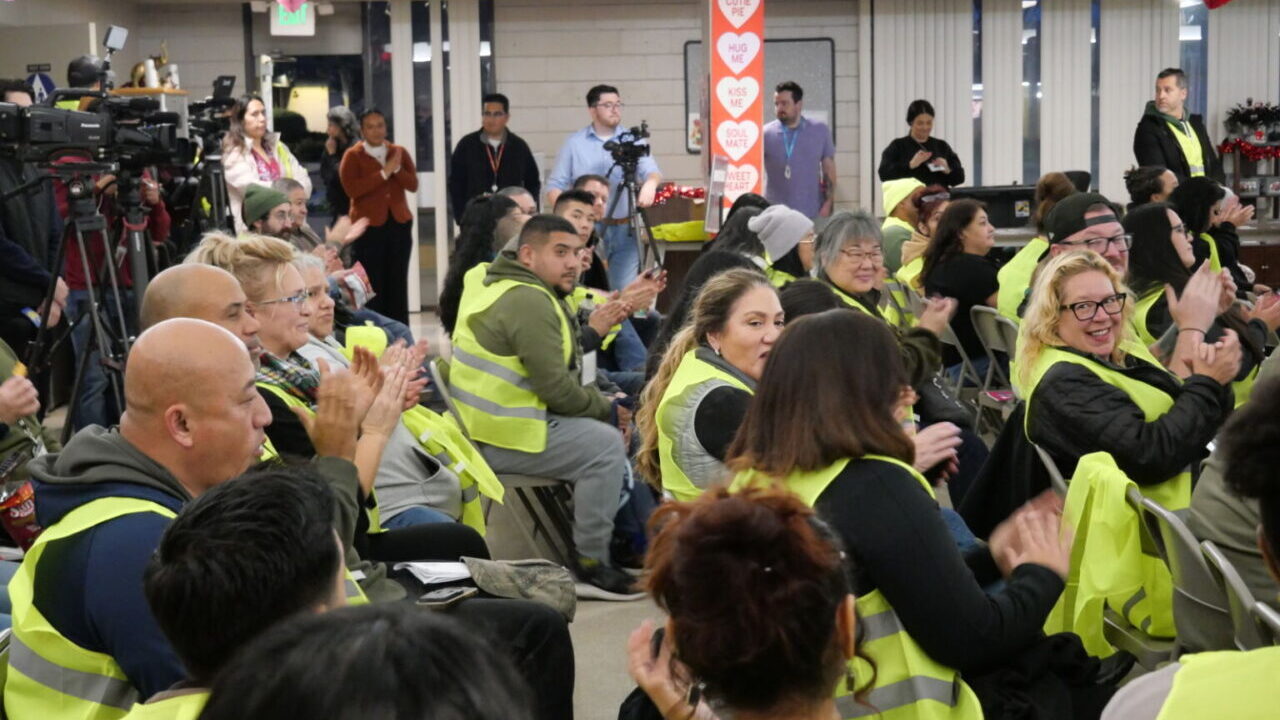
The two-day PIT count, which began Tuesday evening and continued until Wednesday afternoon, mobilized roughly 300 volunteers to survey people experiencing homelessness throughout Fresno, Clovis, Madera, and nearby communities. The count is conducted annually by the FMCoC rather than every two years as HUD mandates. The goal is to accurately track trends, determine funding needs, and plan local services.
“This is my 10th PIT,” said HUD Program Manager Laura Reynolds. “When I first started, we didn’t have shelters. So there were a lot more people living directly on the street.”
Fewer People on the Streets, More in Shelters
According to Reynolds, the expansion of emergency shelters in Fresno has changed how homelessness appears on the surface. While fewer people are sleeping outdoors, overall homelessness has not declined. That’s because many individuals are living in shelters, which are still considered temporary housing and are counted as “homeless” in the census.
“The shelters are considered emergency shelters, where people are still without permanent housing, so they’re counted as well,” Reynolds said. “There are less people on the street, but we’re also seeing a large amount of people who are just coming into needing homelessness prevention.”
That shift, she said, reflects broader economic pressures pushing more residents to the brink of losing their homes.
“Right now, it’s the economy,” Reynolds said. “People are unable to pay their rent. They may have been evicted. Sometimes it’s interpersonal issues — divorce, domestic violence. Sometimes it’s unemployment, mental health, or substance use.”
Volunteer Counters Seek More Info
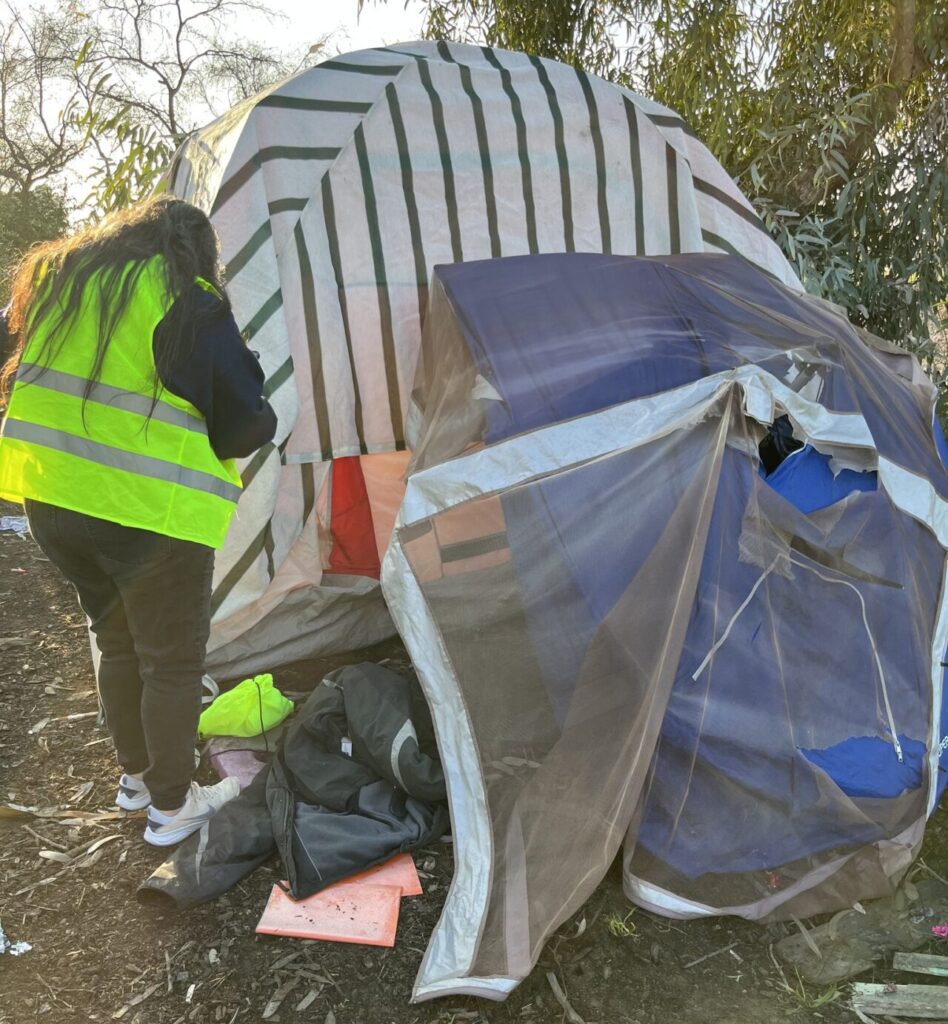
Volunteers conducting the PIT count asked participants approximately 20 confidential questions, covering topics such as veteran status, disabilities, demographics and reasons for homelessness. Unlike earlier versions of the count, which relied largely on headcounts, the expanded survey aims to provide a more detailed picture of who is experiencing homelessness and why.
The data collected is sent to the Fresno Housing Authority and reported to HUD, where it is used to determine federal funding levels and inform the congressionally mandated Annual Homeless Assessment Report. Local officials also rely on the information to measure progress toward ending chronic and veteran homelessness and to identify gaps in services.
Reynolds emphasized that many people experiencing homelessness are far closer to housed life than stereotypes suggest.
“There are a lot of assumptions made,” she said. “But if you look at it honestly, a lot of us live paycheck to paycheck. Homelessness is not too far off the shoulder for some of us that are working hard to maintain.”
Food, Toiletries Distributed
During the count, volunteers also distributed food and hygiene supplies to participants, with items varying each year based on current needs. All volunteers were required to complete training beforehand to ensure interviews were conducted safely, respectfully, and without duplicating respondents.
Despite Fresno County having more resources than many other regions, Reynolds said demand continues to outpace availability.
Reynolds pointed to the need for long-term case management, follow-up services, and community partnerships that help people remain stably housed.
“Checking on people six months later, a year later, helping them maintain employment,” she said. “Employers being willing to be second-chance employers, landlords being willing to do second-chance renting — those things make a huge difference.”
For Reynolds, who has worked in homelessness services for a decade, the PIT count is as much about changing public perception as it is about collecting data.
“These are individuals,” she said. “Somebody’s parent, mom, sister, brother, child. Nobody woke up as a kid and said, ‘What’s your dream? Oh, I want to be homeless someday.’ ”