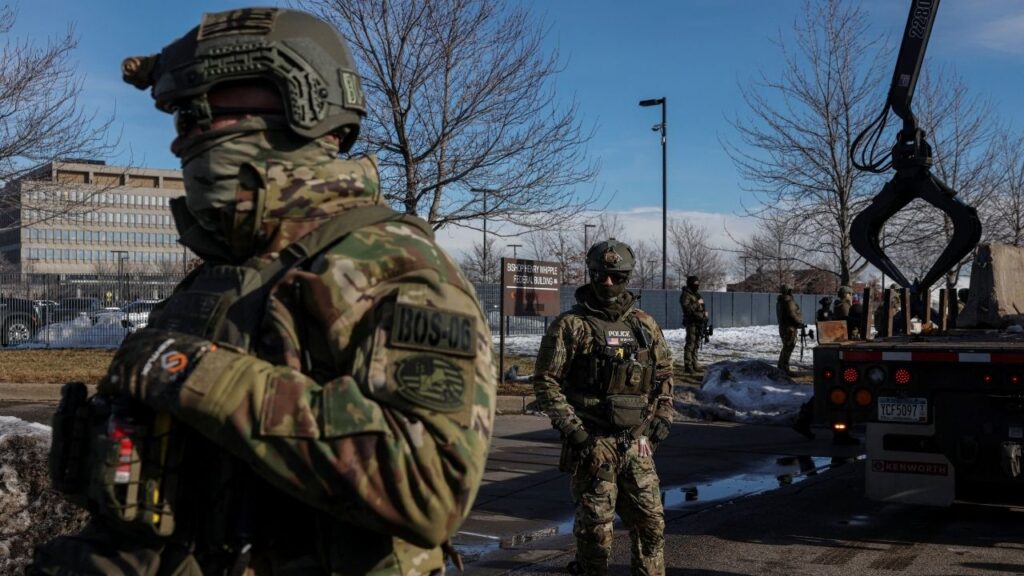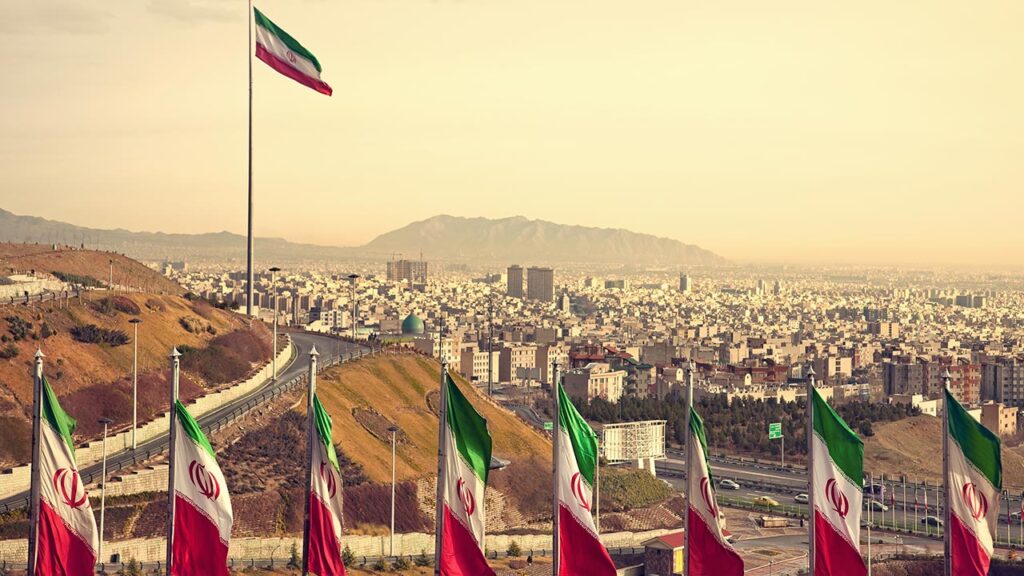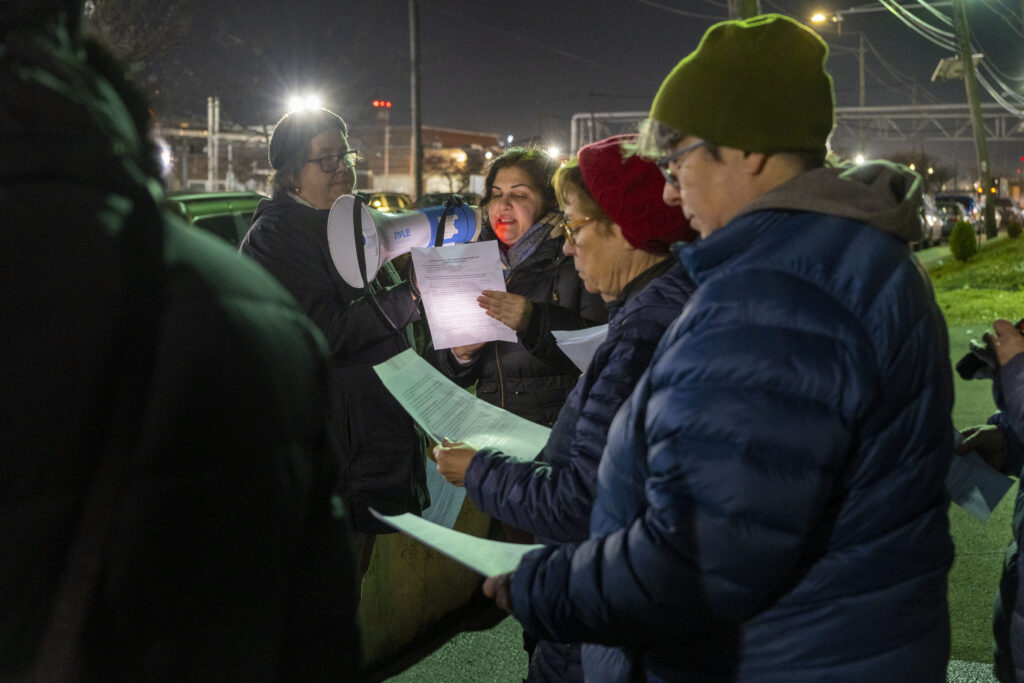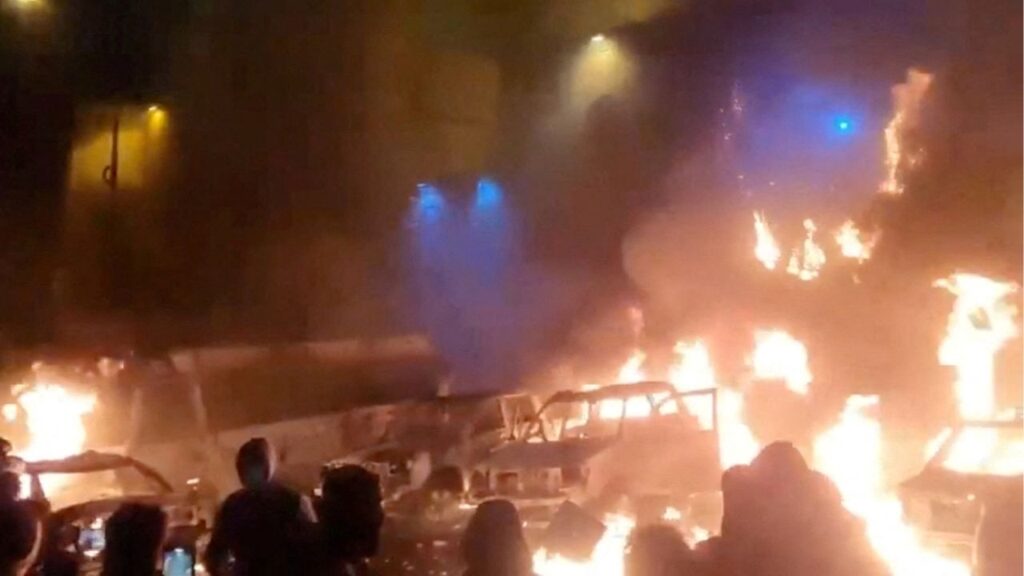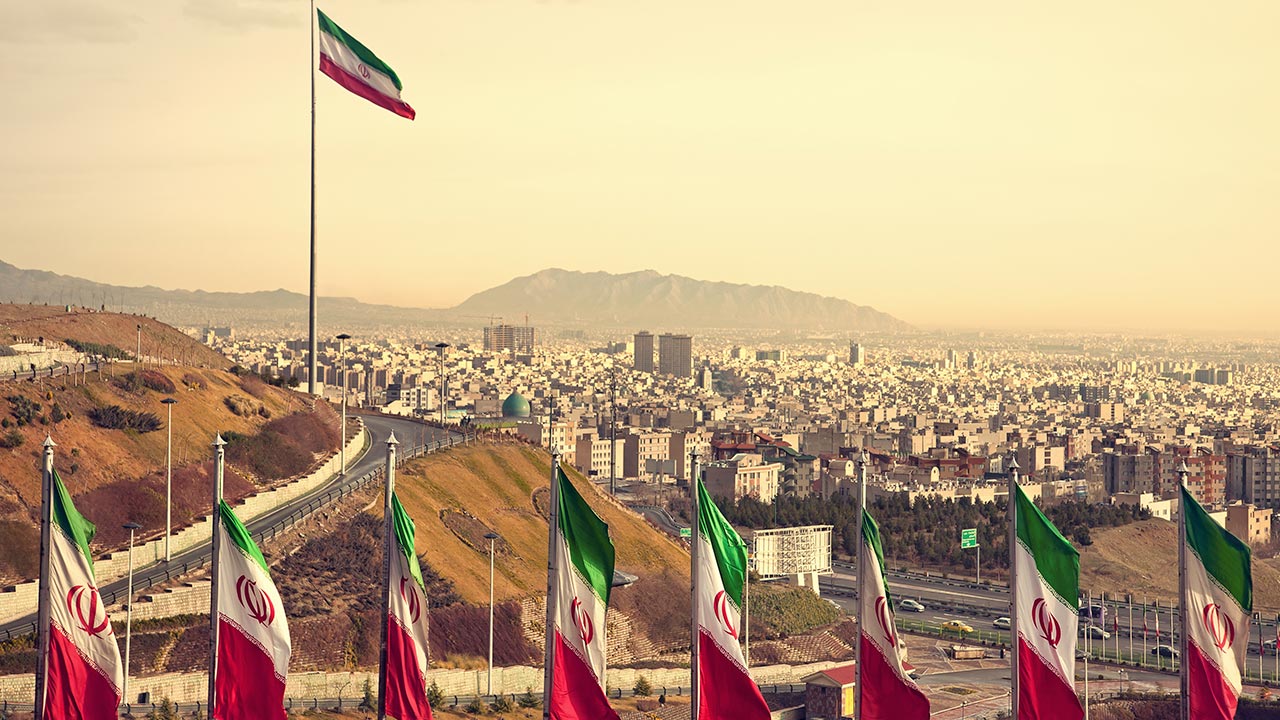
Iran's calls for negotiations come as protestors demonstrate across the country and President Donald Trump says intervention a possibility. (Shutterstock)


- Iran declared it is prepared for war but also open to fair negotiations with the United States.
- Pro-government rallies and funeral processions continued amid anti-government protests that have killed hundreds.
- Diplomatic channels remain open, including talks via Oman, through progress on nuclear development or broader issues remains uncertain.
Share
|
Getting your Trinity Audio player ready...
|
Iran said Monday that it was prepared for conflict but also ready to negotiate after President Donald Trump warned that the U.S. might intervene to stop an increasingly deadly government crackdown on opposition protests.
“We are not looking for war, but we are prepared for war — even more prepared than the previous war,” Abbas Araghchi, the foreign minister, told a conference of foreign ambassadors in the capital, Tehran, in remarks broadcast by state television.
He appeared to be referring to the 12-day war with Israel last June, which the United States joined to bomb Iran’s nuclear facilities.
“We are also ready for negotiations, but negotiations that are fair, with equal rights and mutual respect,” he added.
Call for Negotiations Come as Demonstrations Continue
Hours later, Iranian state media showed images of large crowds in several cities rallying in support of the government and funeral processions for security personnel killed in the unrest that began two weeks ago.
“The great nation of Iran demonstrated itself, its determination, and its identity to its enemies,” Ayatollah Ali Khamenei, Iran’s supreme leader, said in a statement carried by state media. He called the pro-government rallies “a warning to American politicians to stop their deception.”
It was not clear whether there were anti-government demonstrations Monday, but the protests often pick up at night and information on them is slow to trickle out.
As anti-government demonstrations have intensified recently, senior Iranian officials have laid the blame on the United States and Israel, saying they are backing the protesters.
Iran’s Foreign Ministry summoned the British, German, Italian, and French ambassadors on Monday, according to the semiofficial news agency, Tasnim. The ambassadors were shown footage of “rioters’ violence,” the Tasnim report said, adding that Tehran had “called for the withdrawal of official statements supporting the protesters.”
The signaling Monday from Iranian authorities — defiant but also apparently open to diplomacy — came after Trump threatened Sunday that he might act militarily to curb the government’s repression of widespread demonstrations.
Trump Getting Hourly Reports on Situation in Iran
Iran has been roiled in recent weeks by protests that began over economic hardship, then snowballed into a serious challenge to the country’s authoritarian clerical rulers. As of Monday, human rights monitors said hundreds of people had been killed since the protests began in late December. Other rights groups put the death toll higher.
Assessing the casualty tolls and size of protests has been challenging because Iranian authorities have imposed such severe limits on how information is shared both internally and outside the country, including shuttering the internet.
Trump was briefed in recent days on new options for military strikes in Iran but had not made a final decision, according to multiple U.S. officials familiar with the matter.
“We are looking at it very seriously, the military is looking at it, and we’re looking at some very strong options,” Trump told reporters on Air Force One on Sunday, without providing details. He added: “I’m getting an hourly report, and we’re going to make a determination.”
Trump later said that “the leaders of Iran” had called him Saturday and that they wanted to negotiate. He did not give further details on that either.
Could Iran Negotiations Be Different This Time Around?
Iran said Monday that communication channels were open between Araghchi and Steve Witkoff, Trump’s Middle East envoy.
“Iran has never left the negotiating table, but it will not engage in one-sided negotiations,” Esmail Baghaei, a Foreign Ministry spokesperson, said at a news conference Monday.
Another sign of diplomatic activity came from Oman, which has at times served as an intermediary between Washington and Tehran. On Saturday, the Omani foreign minister, Badr Albusaidi, said after meeting with Iranian officials in Tehran that he had a “productive day” that included discussions of “pressing regional and global developments.”
Albusaidi did not provide details. The Iranian Foreign Ministry spokesperson said Monday that the exchange included “issues that we always discuss with Oman,” but he did not elaborate.
It remains unclear what negotiations between Iran and the United States might entail. Talks on Iran’s nuclear program have stalled in recent months.
Farzan Sabet, an analyst on Iran and Middle East politics at the Geneva Graduate Institute in Switzerland, said the communications blackout in Iran made it difficult to gauge the current thinking of Iranian authorities.
But Iran’s government has often used public statements of outreach to boost markets or the currency, he said.
It could also be a form of “domestic sentiment management,” he said, a way to signal to the government’s supporters that it will persist, and to ordinary Iranians that it can cut a deal with the Trump administration.
But Sabet said it was not clear that Iran’s professed openness would lead to any significant diplomatic progress. U.S. demands on Iran’s nuclear program have gotten more stringent.
“I’m skeptical both about the intention behind this outreach, and I’m also skeptical whether there are zones of possible agreement,” Sabet said.
Iran Reeling from June 2025 Strikes
Iranian authorities are still recovering from the brief war with Israel in June. The conflict killed top security officials, degraded Iran’s military infrastructure and drained the country’s financial resources even further after years of U.S. and European sanctions tied to Iran’s nuclear ambitions.
“I think they are tired of being beat up by the United States,” Trump said on Air Force One on Sunday, adding that “a meeting is being set up, but we may have to act because of what’s happening.”
Experts note that there have been few public signs of defections or divisions among Iran’s top leaders.
“Crowds win when the other side folds,” and that is not happening yet, Vali Nasr, a professor at the Johns Hopkins School of Advanced International Studies, said at a Council on Foreign Relations event Monday.
This article originally appeared in The New York Times.
By Aurelien Breeden and Sanam Mahoozi
c.2026 The New York Times Company
RELATED TOPICS:
Categories