
|
Getting your Trinity Audio player ready...
|
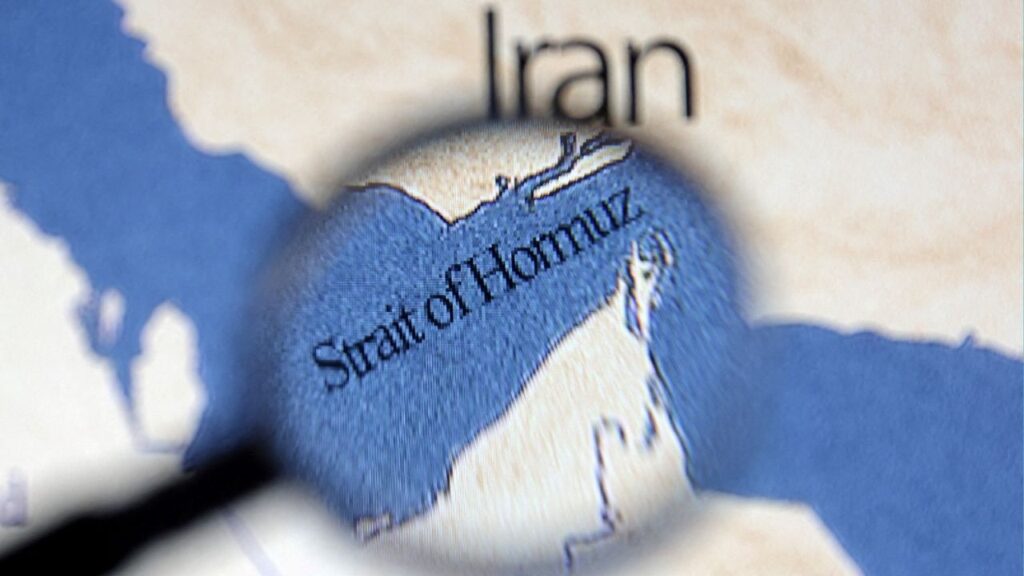
Iran was plunged into a nationwide internet blackout Thursday, internet monitoring groups said, amid widespread protests over dire economic conditions and anger at the Islamic Republic.
As the government cracked down in various cities, internet connectivity data showed an abrupt and near-total drop in connection levels in Iran on Thursday afternoon, according to NetBlocks, an internet monitoring group, and the Georgia Institute of Technology’s Internet Outage Detection and Analysis database. The data indicates that the country is almost completely offline.
Iranian officials did not immediately respond to questions about the cause of the shutdown, but the government has previously enforced internet blackouts during moments of crisis. During the country’s 12-day war with Israel last June, Iran blocked access to the internet, saying that it was a necessary security measure to stop Israeli infiltration. That measure also cut off the flow of information to the rest of the world.

Experts believe that pattern is repeating. NetBlocks said in posts on social media that the shutdown is likely to “severely limit coverage of events on the ground as protests spread.”
“We are in a situation that can be described as a near-total internet shutdown,” said Amir Rashidi, director of digital rights and security at the Miaan Group, a U.S.-based human rights organization focused on the Middle East. “The method of disruption is exactly the same as the one used during the 12-day war.”
As the protest movement has spread to cities across the country, the head of Iran’s judiciary and the country’s chief of security forces told Iranian media that stern measures would be taken against protesters.
Merchants and business owners in the traditional bazaars in the cities of Tehran, Tabriz, Isfahan, Mashhad and Kerman had closed to protest the dire state of the economy and the plunging currency, according to interviews with witnesses and Iranian news media reports. Videos from multiple cities taken by protesters and passersby showed crowds chanting “Death to the dictator,” and “Freedom, freedom, freedom,” and “Don’t be afraid, we are all together.”
“The Iranian government uses internet shutdowns as a tool of repression,” said Omid Memarian, an Iranian human rights expert and senior fellow at DAWN, a Washington-based organization focused on the Middle East. “Whenever protests reach a critical point, authorities sever the country’s connection to the global internet to isolate protesters and limit their communication with the outside world.”
Iran has partly censored the internet since 2005, with social media sites like Facebook or Instagram blocked across the country. But many Iranians use virtual private networks, or VPNs, to circumvent those restrictions.
—
This article originally appeared in The New York Times.
By Pranav Baskar and Sanam Mahoozi/Arash Khamooshi
c. 2025 The New York Times Company