
|
Getting your Trinity Audio player ready...
|
Nicolás Maduro, the ousted Venezuelan president, and his wife pleaded not guilty Monday to federal charges including drug trafficking and other crimes, two days after they were captured in a U.S. military raid in Caracas, the Venezuelan capital. Maduro, his hair streaked with gray, identified himself to the judge as the president of Venezuela and said he had been “kidnapped.”
“I’m innocent. I’m not guilty. I am a decent man,” Maduro said through an interpreter after Judge Alvin K. Hellerstein asked him for his plea on charges including narco-terrorism and conspiracy to import cocaine. He added, “I am still president of my country.”
Maduro’s wife, Cilia Flores, who like her husband wore a short-sleeve navy shirt over an orange prison uniform, declared herself “not guilty, completely innocent.” Their arraignment, followed a monthslong campaign by the Trump administration to drive Maduro from power, but it could be well over a year before they face trial.

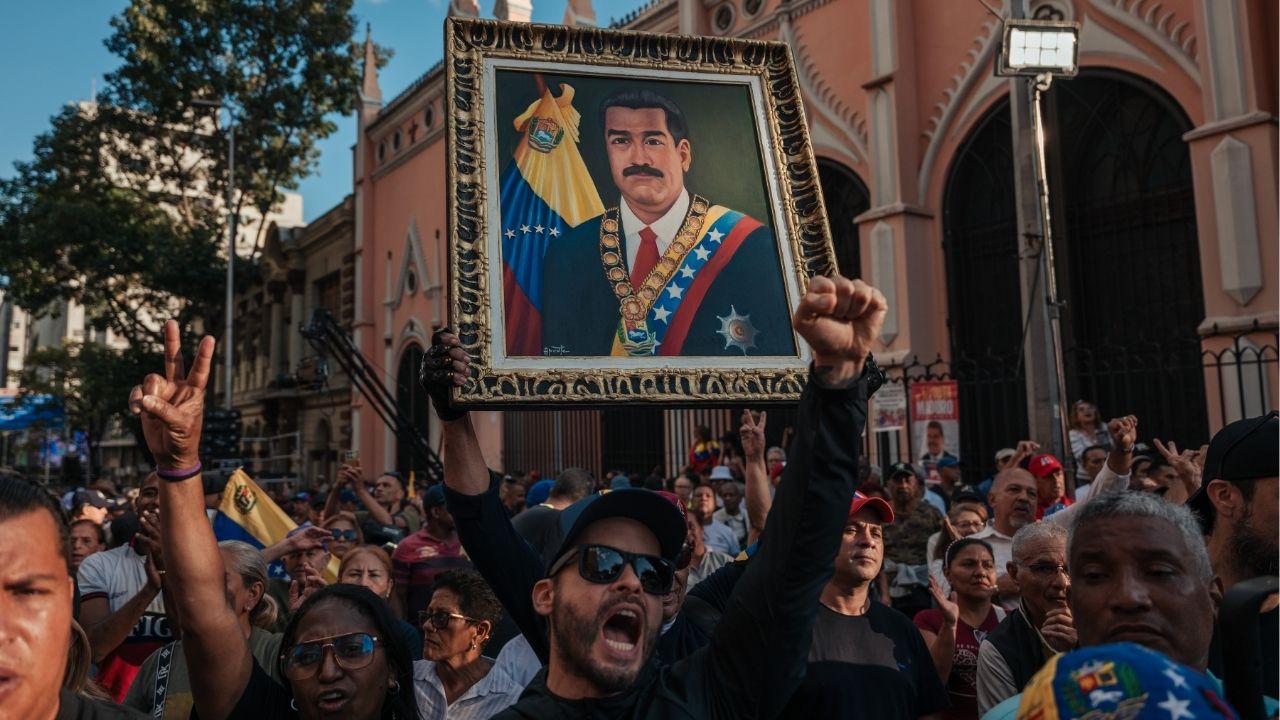
Earlier, during a meeting of the Venezuelan National Assembly, Maduro’s son, Nicolás Maduro Guerra, who is also named in the indictment, delivered a defiant speech. He said his father and “second mother” were “kidnapped” by the United States, adding that the world was facing a “dangerous regression” to imperialism. The younger Maduro, who has been a member of the assembly since 2021, called on the “people of the world” to show solidarity with his family and with Venezuela.
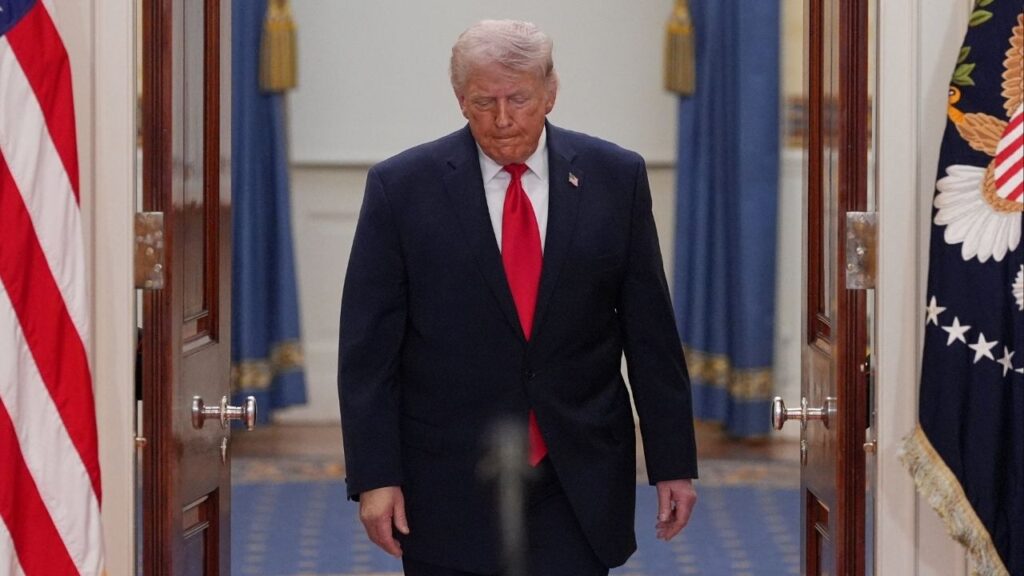
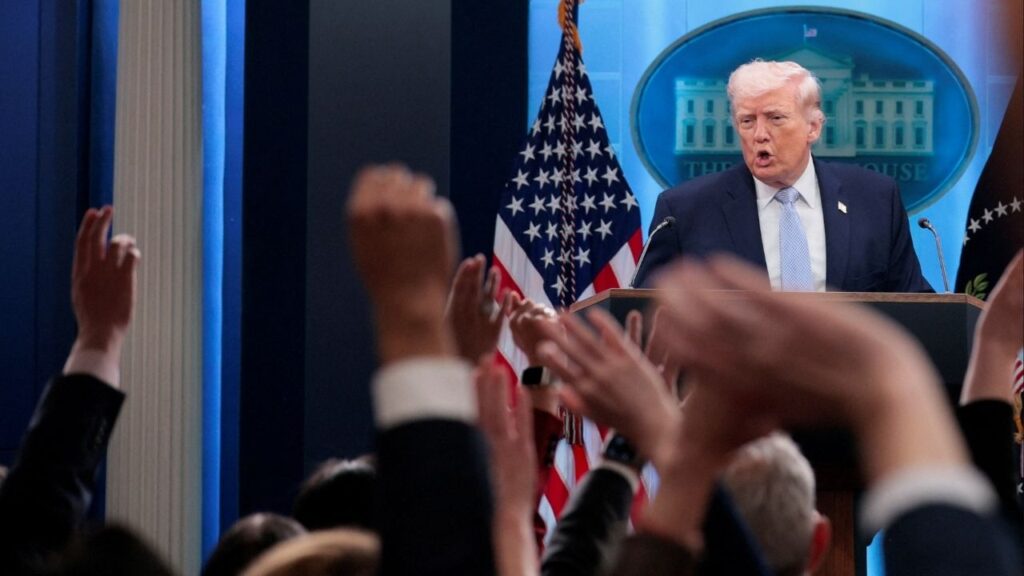
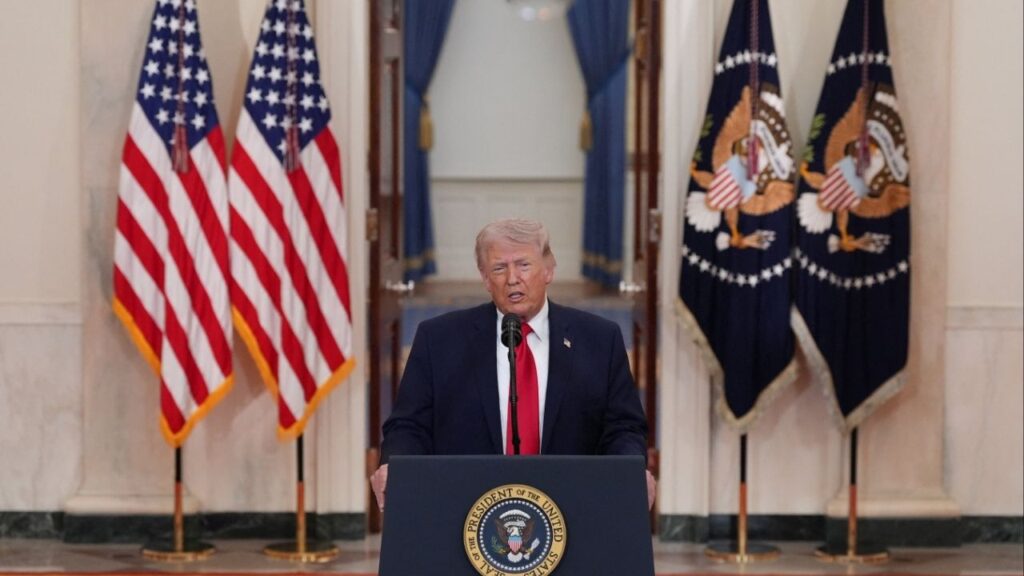
Even as Venezuela’s interim leader, Delcy Rodríguez, a member of Maduro’s inner circle, offered Sunday night to work with the United States “on a cooperative agenda,” President Donald Trump reiterated his assertion of direct control over Venezuela, saying his government was “in charge” of the country. That contradicted comments hours earlier by Secretary of State Marco Rubio, who suggested that the administration would instead coerce cooperation from the new leadership in Caracas.
Trump also suggested that the United States could take action against more countries, including Colombia, Mexico and the semiautonomous Danish territory of Greenland. Asked whether that could mean a U.S. operation against Colombia, he said, “It sounds good to me.”
The remarks drew a mix of responses. The president of Colombia warned that any attempt to detain him would unleash popular fury, and the prime minister of Denmark, a NATO ally, urged Trump to “stop the threats.” But Mexico’s president, Claudia Sheinbaum brushed aside the remarks. “This is just President Trump’s manner of speaking,” she said.
Here’s What Else to Know:
— Security Council: The U.N. Security Council convened an emergency meeting to discuss the U.S. raid. Venezuela’s ambassador sat somber-faced at the start of the meeting, during which Mike Waltz, the U.S. ambassador, said there was “no war against Venezuela or its people.” He rejected accusations by some other council members that U.S. actions could destabilize the region.
— Congressional briefing: After Democratic lawmakers complained of not being notified about U.S. plans for Venezuela, Trump administration officials plan to provide a briefing Monday afternoon to leaders in Congress.
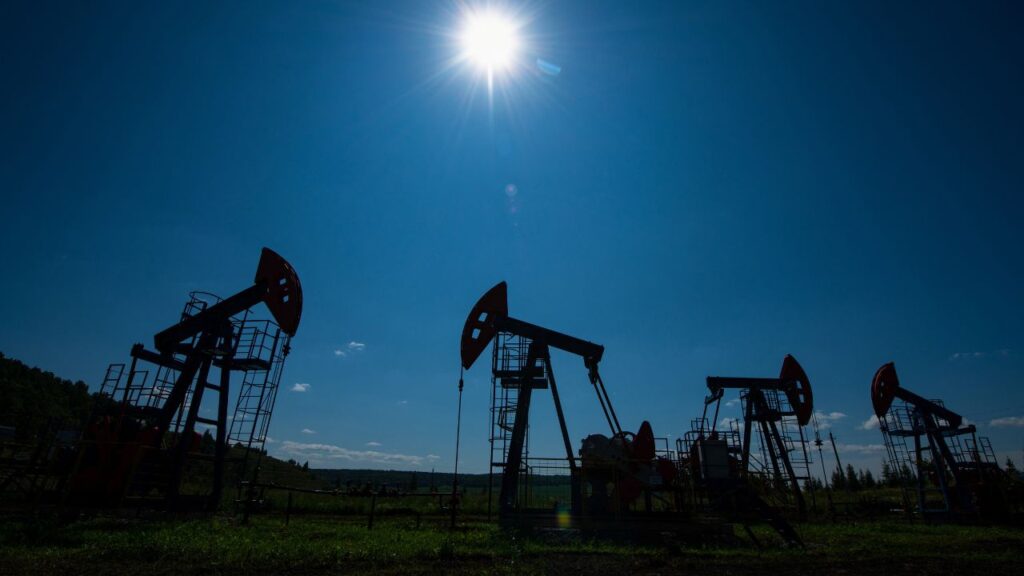
— Venezuelan oil: At least 16 oil tankers hit by U.S. sanctions appear to have attempted to evade a major U.S. naval blockade on Venezuela’s energy exports over the last two days, in part by disguising their true locations. Trump has made clear his desire to open up Venezuela’s vast state-controlled oil reserves to American oil companies, but U.S. intervention could prove complicated and expensive.
—
This article originally appeared in The New York Times.
By Benjamin Weiser, William K. Rashbaum, Annie Karni and Hurubie Meko
c. 2026 The New York Times Company