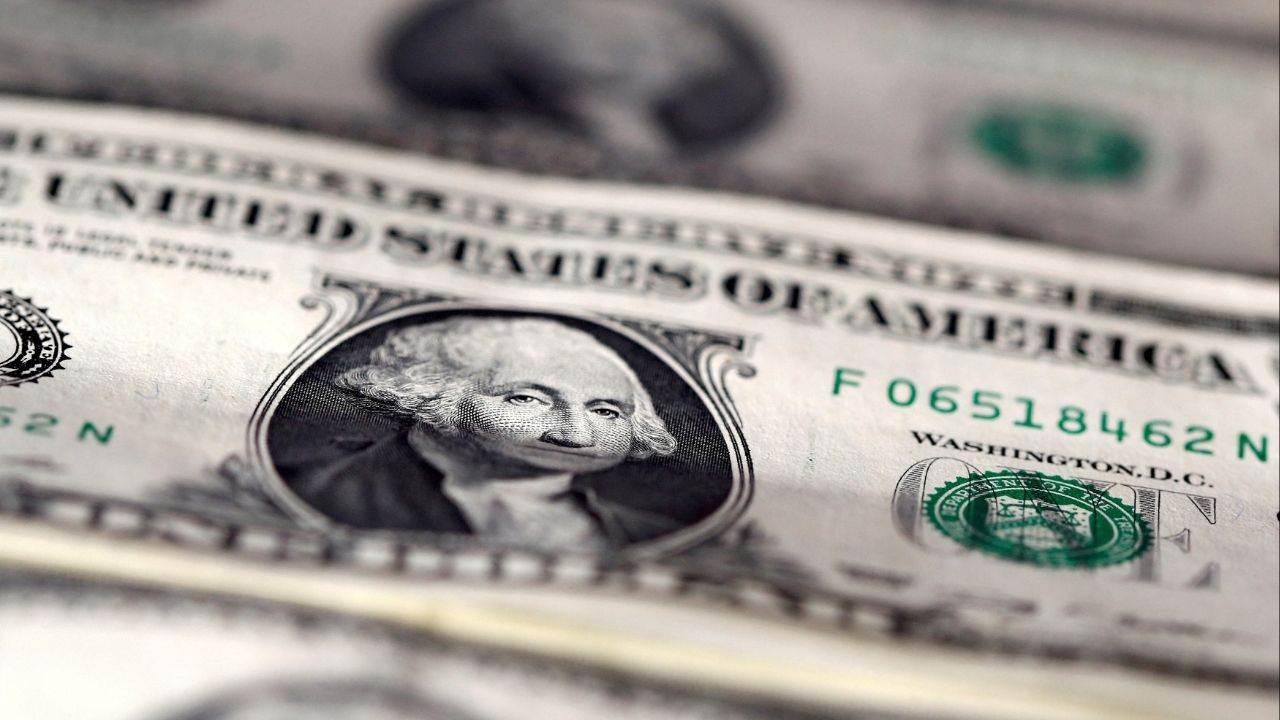
U.S. dollar notes are seen in this November 7, 2016 picture illustration. (Reuters File)

Share
|
Getting your Trinity Audio player ready...
|
The dollar began the first full trading week of 2026 by hitting a near-four-week high on Monday against a range of currencies after a weak December, with traders focused on this week’s raft of key economic data.
Markets are largely shrugging off events in Venezuela, after a U.S. raid led to the capture of President Nicolas Maduro.
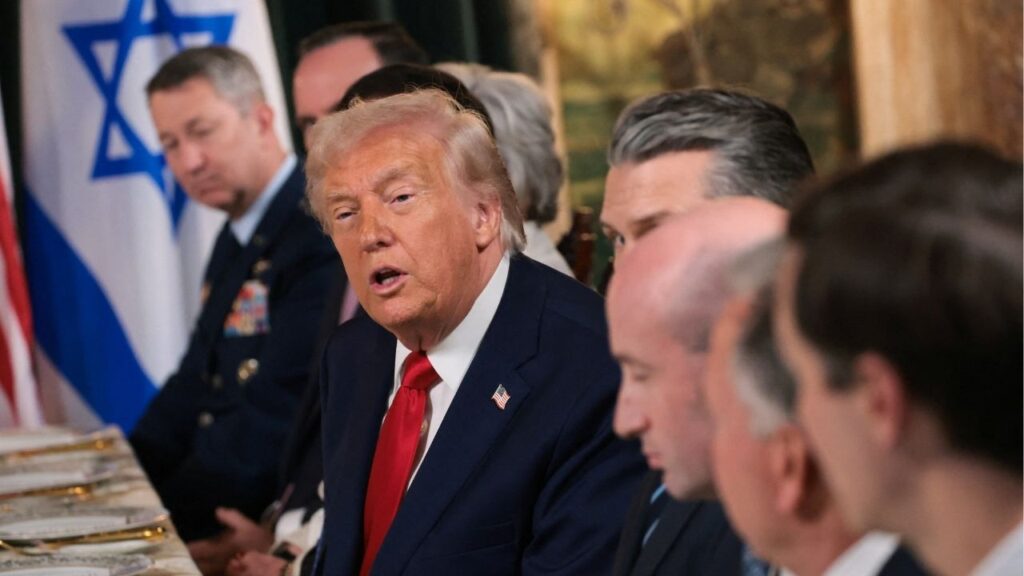
President Donald Trump told reporters on Sunday he could order another strike if Venezuela did not cooperate with U.S. efforts to open up its oil industry and stop drug trafficking. He also threatened military action in Colombia and Mexico.
The U.S. monthly employment report, due on Friday, will be key in shaping expectations for the outlook for monetary policy – an arguably weightier factor for the dollar.
The dollar was up 0.16% against the Swiss franc at 0.794 francs. The euro was down 0.23% at $1.169475 against the dollar.
“The dollar fell against major currencies in December but it really bottomed around Christmas and so I think we are going to have an upside correction of the dollar ahead of the jobs data on Friday,” said Marc Chandler, chief market strategist at Bannockburn Global Forex LLC.
U.S. manufacturing activity contracted more than expected in December, extending its slump to 10 straight months as new orders fell again and input costs kept grinding higher as the sector continues to bear the imprint of Trump’s import tariffs, the Institute for Supply Management said on Monday.
“I think between Friday’s jobs data, next week’s CPI, industrial production and retail sales, it will just drive home the message that the U.S. economy is not deteriorating further and the Federal Reserve will be on hold through Q1,” Chandler said.
The dollar index rose to its highest since December 10. It was last flat at 98.552. The dollar index lost 1.2% in December, its weakest performance since August.
Traders currently expect two U.S. rate cuts this year, according to LSEG calculations based on futures.
Lower US Rates Ahead
Investors are also awaiting Trump’s choice for the next Fed chair, with Jerome Powell’s term ending in May. Trump has said he would announce his pick this month, and that Powell’s successor would be “someone who believes in lower interest rates, by a lot”.
Meanwhile, Bank of Japan Governor Kazuo Ueda said on Monday that the BOJ would continue to raise rates if economic and price developments moved in line with its forecasts.
It is a view he has reiterated several times in recent months, including after December’s as-expected decision to raise rates to a three-decade high.
The dollar was mostly steady against the yen at 156.655.
—
(Reporting by Chibuike Oguh in New York; Additional reporting by Kevin Buckland in Tokyo; editing by Sam Holmes, Alex Richardson, Jan Harvey and Mark Heinrich)