
|
Getting your Trinity Audio player ready...
|
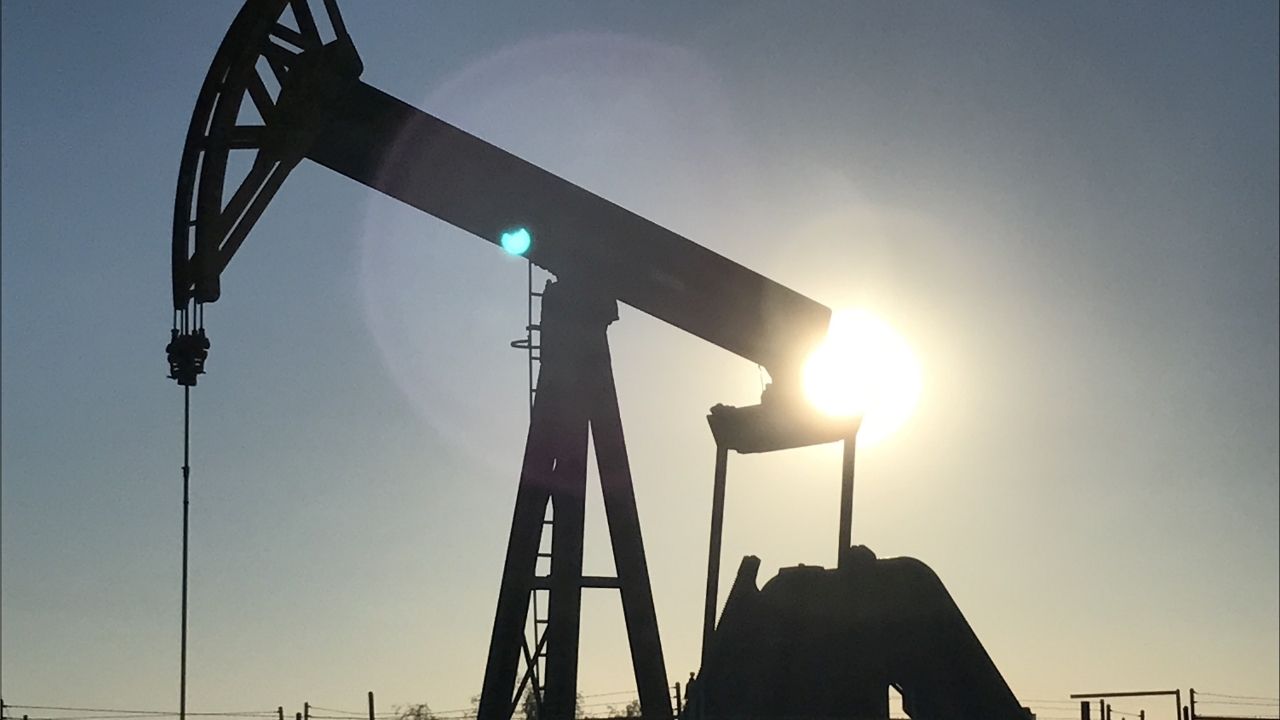
Oil prices edged up on possible disruptions from a U.S. blockade of Venezuelan tankers as the market waits for news about a possible Russia-Ukraine peace deal and interest rate decisions from central banks around the world.
Brent futures rose 71 cents, or 1.2%, to $60.53 per barrel at 1:38 p.m. EST (1838 GMT), while U.S. West Texas Intermediate (WTI) crude rose 65 cents, or 1.2%, to $56.80.
That put Brent and WTI down about 1% so far this week after both crude benchmarks fell about 4% last week.

In other energy markets, a recent drop in U.S. gasoline futures to a four-year low cut 321- and gasoline crack spreads, which measure refining profit margins, to their lowest since February.
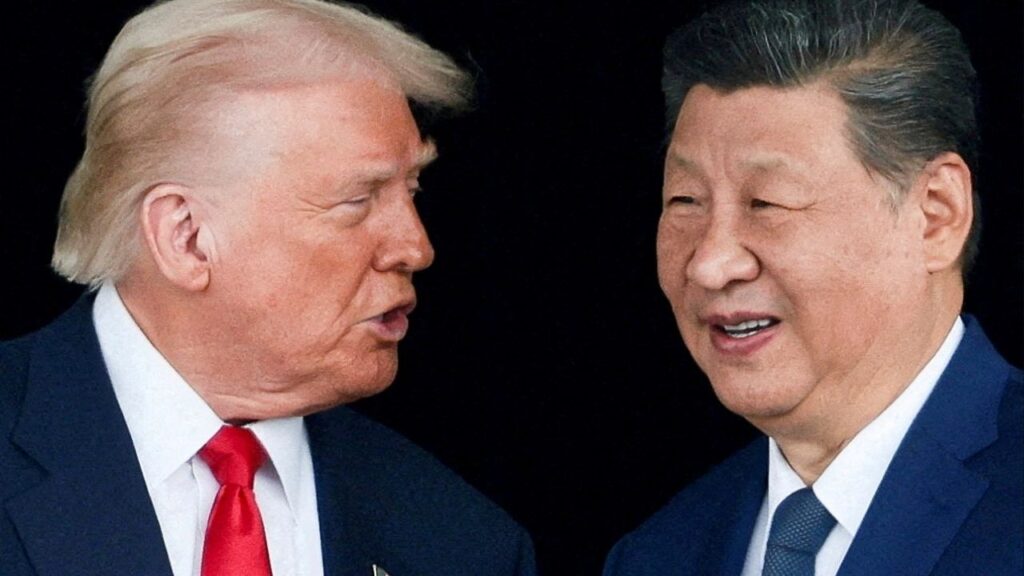
As U.S. President Donald Trump seeks an end to Europe’s deadliest conflict since World War Two, Russian President Vladimir Putin said the onus was on Ukraine and Europe to make the next move toward peace.
U.S. Secretary of State Marco Rubio on Friday told reporters that the United States is not concerned about an escalation with Russia when it comes to Venezuela, as the Trump administration builds up military forces in the Caribbean.
European Union leaders decided on Friday to borrow cash to loan 90 billion euros ($105 billion) to Ukraine to fund its defense against Russia for the next two years rather than use frozen Russian assets, sidestepping divisions over an unprecedented plan to finance Kyiv with Russian sovereign cash.
Putin offered no compromise on Friday on his terms for ending the war in Ukraine and accused the European Union of attempting “daylight robbery” of Russian assets.
Ukraine, meanwhile, struck a Russian “shadow fleet” oil tanker in the Mediterranean Sea with aerial drones for the first time, an official said on Friday, reflecting the growing intensity of Kyiv’s attacks on Russian oil shipping.
“The (oil) complex is posting small gains in holding above lows established earlier this week as it awaits further guidance regarding Ukraine/Russian peace talks as well as fresh headlines out of Venezuela as to the potential impact of the apparent Trump tanker blockade,” analysts at energy advisory firm Ritterbusch and Associates said in a note.
Trump told NBC News in an interview that he was leaving the possibility of war with Venezuela on the table.
Uncertainty over how the U.S. would enforce Trump’s intent to block sanctioned tankers from entering and leaving Venezuela tempered geopolitical risk premiums, IG analyst Tony Sycamore said.
Venezuela, which pumps about 1% of global oil supplies, on Thursday authorized two unsanctioned cargoes to set sail for China, said two sources familiar with Venezuela’s oil export operations.
Separately, the rig count in the Permian Basin in West Texas and eastern New Mexico, the biggest U.S. oil-producing shale formation, fell by three this week to 246, the lowest since August 2021, according to data from U.S. energy services firm Baker Hughes.
The rig count is an early indicator of future output. A lower count usually points to a decline in output.
Higher Interest Rates in Japan
Central banks in big economies are signaling a possible change of stance on interest rates, which are used to keep inflation in check.
Higher interest rates increase the cost of borrowing for homes and businesses, which can reduce economic growth and oil demand.
The Bank of Japan raised interest rates on Friday to levels unseen in 30 years, taking another landmark step in ending decades of huge monetary support and near-zero borrowing costs.
European Central Bank policymakers warned on Friday about oversized risks around their latest economic projections, making the case for caution in setting policy and not taking the option of another interest rate cut off the table just yet.
New York Federal Reserve President John Williams told CNBC on Friday he does not see an imminent need to follow last week’s interest rate cut with another reduction in borrowing costs, adding that new inflation data is being buffeted by distortions.
—
(Reporting by Scott DiSavino in New York and Anna Hirtenstein in London; Additional reporting by Enes Tunagur and Sudarshan Varadhan; Editing by Alexander Smith and Matthew Lewis)