
|
Getting your Trinity Audio player ready...
|
WASHINGTON — The Trump administration’s tariffs continued to weigh on trade in September, as imports grew just 0.6% from August to $342.1 billion, newly released data from the Commerce Department showed Thursday.
Exports rose 3% in the month, to $289.3 billion. Because exports grew by more than imports, the U.S. trade deficit shrank, in line with the Trump administration’s goals. The trade deficit in goods and services narrowed by more than 10% from the previous month, to $52.8 billion.
The data, which is compiled by the U.S. Census Bureau, showed trade recovering slightly from a sluggish month in August. That month, the president put in place sweeping tariffs that he had first announced in April, then paused for trade negotiations. In late August, the United States also canceled special duty-free treatment for low-value packages.

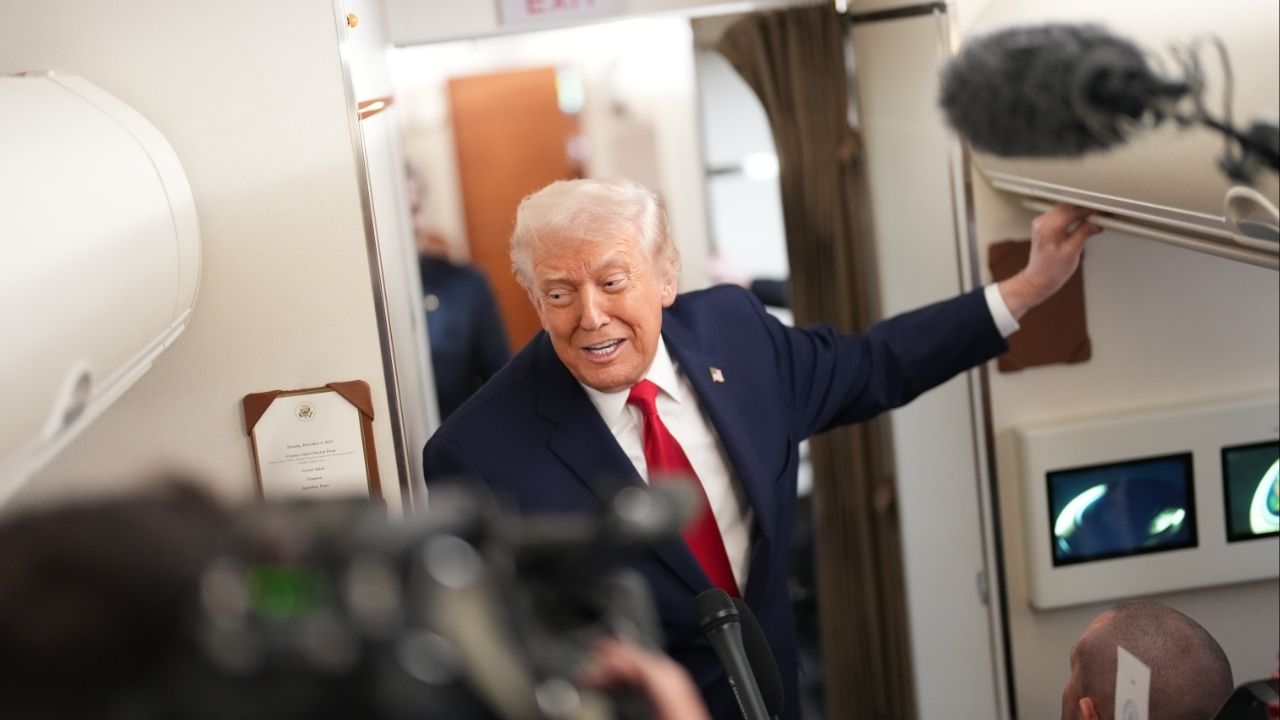
President Donald Trump has imposed sweeping tariffs on goods from countries around the world, as well as foreign cars, metals and furniture, in an effort to encourage more U.S. manufacturing.
Businesses brought in a rush of imports before tariffs were imposed earlier this year, in an effort to avoid the import taxes. But after Trump’s global tariffs went into effect on Aug. 7, imports sharply slowed, before recovering somewhat in September.
On Aug. 29, the Trump administration also ended the “de minimis” exemption, which allowed foreign shipments valued at less than $800 to come into the United States tariff-free. Opponents criticized the rule as a loophole that penalized U.S. manufacturers in favor of Chinese competitors.
As of November, the U.S. effective tariff rate had climbed to more than 16%, the highest level since 1935, according to the Budget Lab at Yale, making it significantly more expensive for importers to bring goods into the country.
Trump has targeted his tariffs at lowering the trade deficit, a goal that some economists have criticized. The trade deficit has fallen since tariffs have gone into effect. But in 2025 so far, it has still grown by more than 17% from the previous year, because of the aggressive buying that businesses did to bring goods into the United States before tariffs went into effect.
Those tariffs could undergo significant changes in the weeks to come. The Supreme Court is set to rule soon on the legality of many of the tariffs issued using a 1970s emergency law. Administration officials have said that, if those tariffs are struck down, they would use other authorities to impose duties on imports.
—
This article originally appeared in The New York Times.
By Ana Swanson/Doug Mills
c. 2025 The New York Times Company