
|
Getting your Trinity Audio player ready...
|
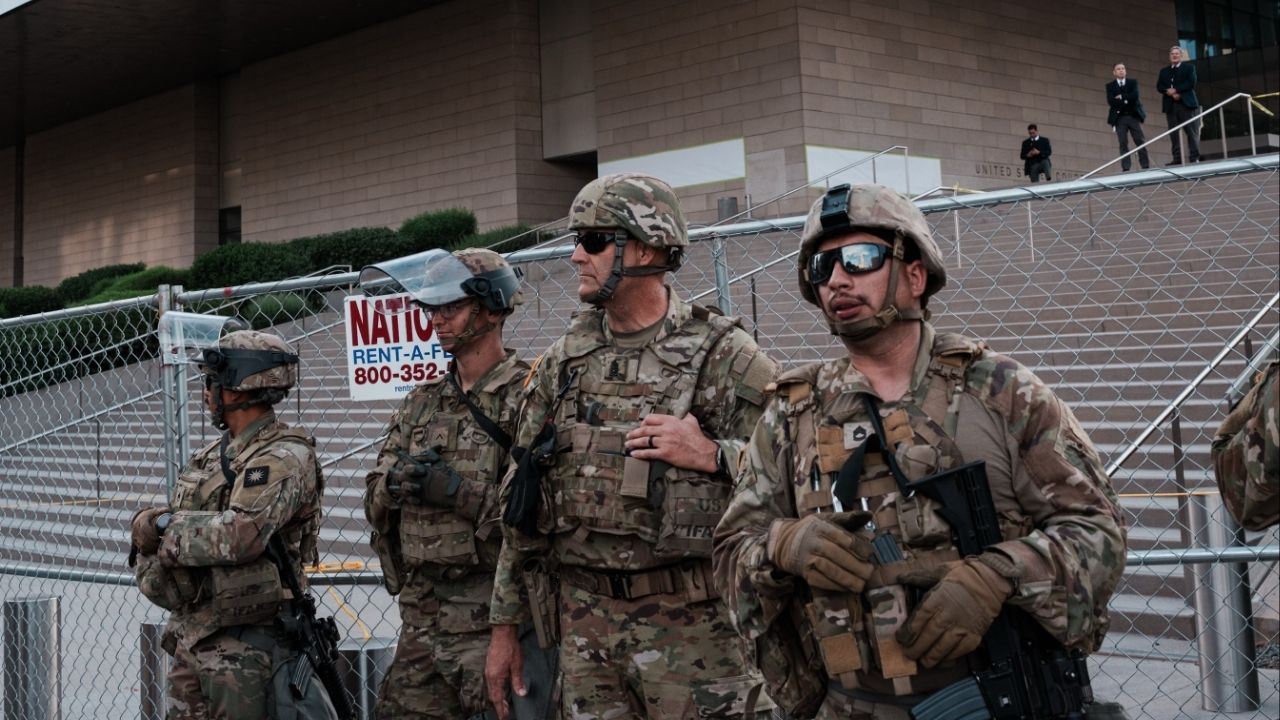
SACRAMENTO, Calif. — A federal judge ordered the Trump administration on Wednesday to immediately end its current deployment of California National Guard troops in Los Angeles, ruling that the federal government had illegally kept them in the city long after intense street protests had ended in the summer.
The ruling by Judge Charles R. Breyer of the U.S. District Court in San Francisco applies to about 100 National Guard soldiers who remain in Los Angeles six months after protests erupted over immigration raids.
Breyer directed the federal government to return control of the troops to Gov. Gavin Newsom of California, but he stayed his order until Monday. The Trump administration is expected to appeal.

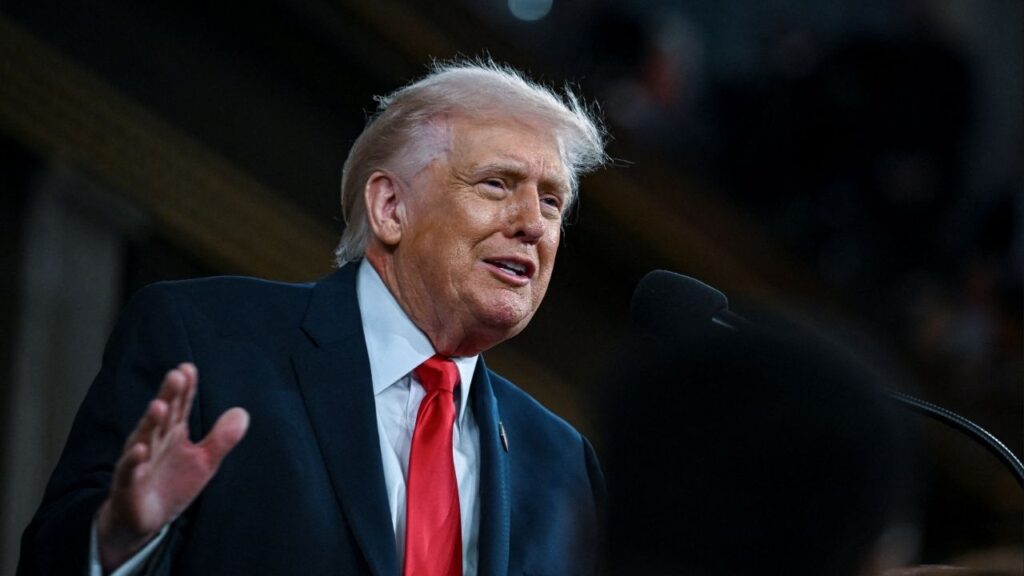
President Donald Trump originally called up about 4,000 California National Guard troops in June, over the objections of state and local officials. At the time, he argued that they were responding to an emergency and were needed to protect federal property and personnel amid heated demonstrations.
Gradually Drawing Down Federalized Troops
The president began gradually drawing down the number of federalized troops in July. As of last month, roughly 300 California National Guard members remained under the president’s command. The administration was in the process of reducing the deployment to 100 troops, who were supposed to remain federalized until February.
Newsom sued over the initial deployment, but the 9th U.S. Circuit Court of Appeals ruled in June that conditions in Los Angeles were sufficient for Trump to take control of the state’s National Guard and direct troops to protect the enforcement of immigration laws.
The state filed a new request for an injunction in November, arguing that civil unrest in Los Angeles had declined significantly since the summer and that military forces were no longer justified. The president’s authority to command National Guard troops is specifically tied to “the existence of a present exigency,” Meghan Strong, a California deputy attorney general, argued in a hearing Friday.
“Once that exigency has passed, the federalization has to end,” Strong said.
Lawyers for the Trump administration argued that threats to federal immigration agents had persisted in Los Angeles, even as the summer’s large street demonstrations subsided. They pointed to a man who was arrested last week after authorities said he tried to firebomb a federal office building in Los Angeles.
The lawyers also asserted that the law requires an emergency only at the time the president decides to federalize National Guard troops, after which he can extend the deployment as long as he deems necessary.
“It falls to the president’s judgment to determine when that mission can end,” said Eric J. Hamilton, a deputy assistant attorney general at the federal Department of Justice.
During the hearing on Friday, Breyer indicated that he agreed with California’s interpretation of the law.
“No crisis lasts forever,” he said.
—
This article originally appeared in The New York Times.
By Laurel Rosenhall/Gabriela Bhaskar
c. 2025 The New York Times Company