

|
Getting your Trinity Audio player ready...
|
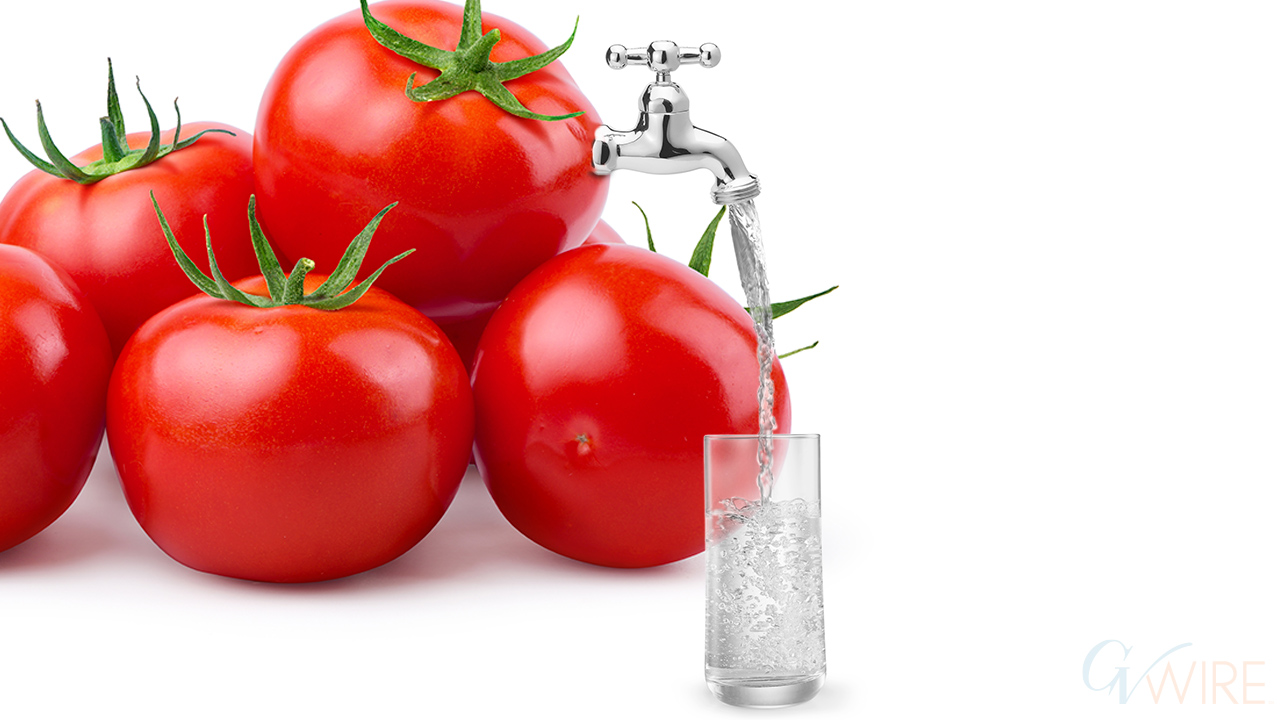
Technology capable of extracting evaporation from tomato pulp is producing 120,000 gallons a day of “new water” clean enough to drink in Los Banos in Merced County.

Monserrat Solis
SJV Water
The “water harvesting” unit was developed by Australian company Botanical Water Technologies, which moved to the United States around five years ago.
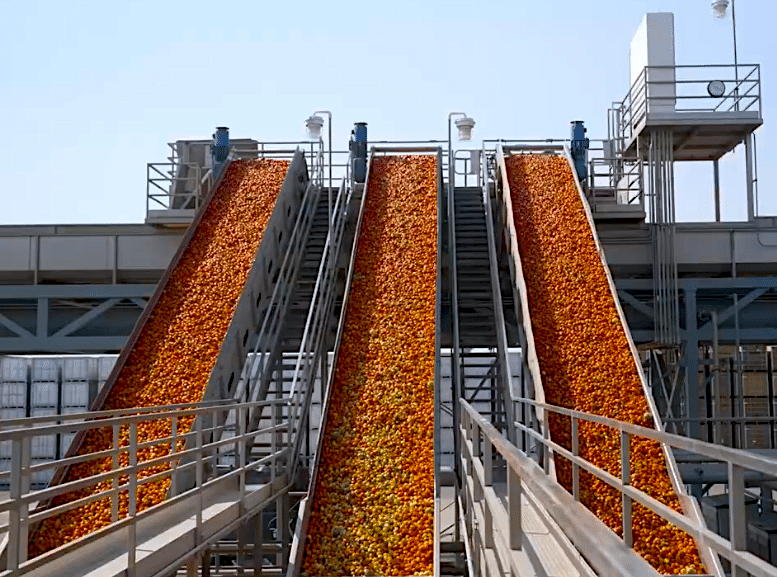
The Ingomar Packing Company in Los Banos processes tomato products such as tomato paste and diced tomatoes.

The choice to set up a pilot project at Ingomar was a simple one, Botanical Water’s Chief Impact Officer James Rees said, calling the Los Banos plant a “natural partner.”
“We gravitated towards Ingomar because of their sustainability program in place. They’ve been actively investing into the environment and into programs around water reuse, energy efficiency and carbon.”
The San Joaquin Valley is the ag belt of the U.S. as well as ground zero for water issues, Rees said.
The Sustainable Groundwater Management Act, which aims to have local entities bring aquifers into balance by 2040, will mean severe pumping restrictions in many areas.
That means water managers, farmers and others need to find new water sources wherever they can, such as tomatoes.
Ingomar CEO Greg Pruett says in a promotional video about the program that the company had a large volume of condensate water from the tomatoes that was “…not being used in a valuable way.” So when it learned about Botanical and its work extracting and purifying such water, it was a good fit.
Many Uses for the Extracted Water
Harvesting water from plants that are already being processed for food “…creates the world’s most sustainable source of water,” adds Terry Paul, Botanical CEO, in the video.
The water extracted from the Botanical unit can be used for bottled water, aquifer replenishment, and to provide water to disadvantaged communities.
“We believe that the allocation of this water should be given to the community, first, because there is a big need,” Rees said.
About the Reporter
Monserrat Solis covers Kings County water issues for SJV Water through the California Local News Fellowship Initiative.
About SJV Water
SJV Water is an independent, nonprofit news site covering water in the San Joaquin Valley, www.sjvwater.org. Email us at sjvwater@sjvwater.org