

|
Getting your Trinity Audio player ready...
|
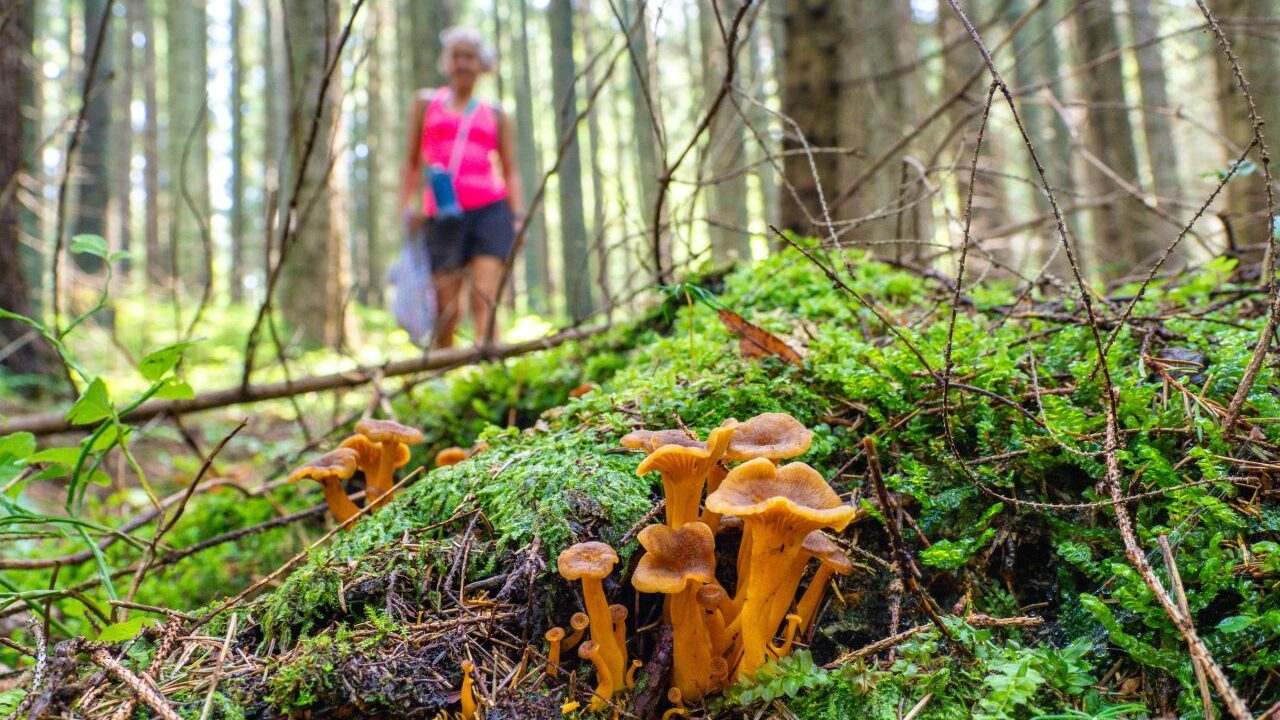
California health officials on Friday warned against foraging for wild mushrooms after a poison found in certain varieties killed one person and caused liver damage to others.
The California Poison Control System identified 21 cases of poisoning, including the death of one adult, from a potent toxin known as amatoxin that is found in some mushrooms.
The illnesses were linked to the consumption of death cap mushrooms between mid-November and early December, the California Department of Public Health said in a news release.

The poisoning outbreak led to severe liver damage in children and adults, and at least one person may need a liver transplant, the department said. It did not specify how many sustained liver damage.
Death cap mushrooms are one of the deadliest mushroom varieties and can cause liver and kidney failure if consumed.
Death Cap Mushrooms Abundant in California
They are abundant in California, and significant poison outbreaks have been reported in the Monterey and San Francisco Bay areas, the department said.
Hospitals have reported an increase in illnesses connected to wild mushroom ingestion, according to a Dec. 1 news release from the Monterey County government.
“Only people with extensive training and experience should eat wild mushrooms that they have picked themselves,” Dr. Edward Moreno, Monterey County’s health officer, said in the release.
Toxic mushrooms are commonly found near hardwood trees, such as oaks and pines. Rainy conditions in the fall and winter create ideal conditions for the mushrooms to grow.
In the 24 hours after consuming a toxic mushroom, people can experience watery diarrhea, nausea, vomiting, abdominal pain and dehydration.
These symptoms typically subside within a day, but people may develop serious to fatal liver damage within a few days of eating the mushroom.
Death Caps Appear Similar to Safe Mushrooms
Toxic mushrooms like death caps are easy to mistake for safe, edible mushrooms because they have a similar look and taste, the department said. Death cap mushrooms are typically 2 to 6 inches tall and have a yellowish green color.
Cooking, boiling, drying or freezing death cap mushrooms does not make them safe to eat.
People should only eat mushrooms purchased from reputable stores and commercial sources until the poisoning outbreak is under control, the department said.
Mushroom poisonings are hard to track reliably, but one 2018 article published in Mycologia, a fungi-focused scientific journal, estimated that there are about 7,400 exposures to toxic mushrooms in the United States each year. Cases are most common in children younger than 6.
This article originally appeared in The New York Times.
c.2025 The New York Times Company